EP 72: Mold and Heavy Metals: What They Are, Where They Come From, and Practical Steps to Reduce Exposure

Please be proactive with your healthcare provider. This is one of the most powerful things you can do.”

Dr. Daniel Kessler

Environmental exposures are a topic many people hear about but may not fully understand. Two that frequently come up in discussions about home and environmental health are mold and heavy metals.

In this episode, Dr. Daniel Kessler explains what mold is, how it grows in homes, and where people may encounter heavy metals today. He also outlines practical action steps people can take to reduce potential exposure.The goal of this discussion is not to create unnecessary worry, but rather to provide awareness and practical steps people can take in everyday life.


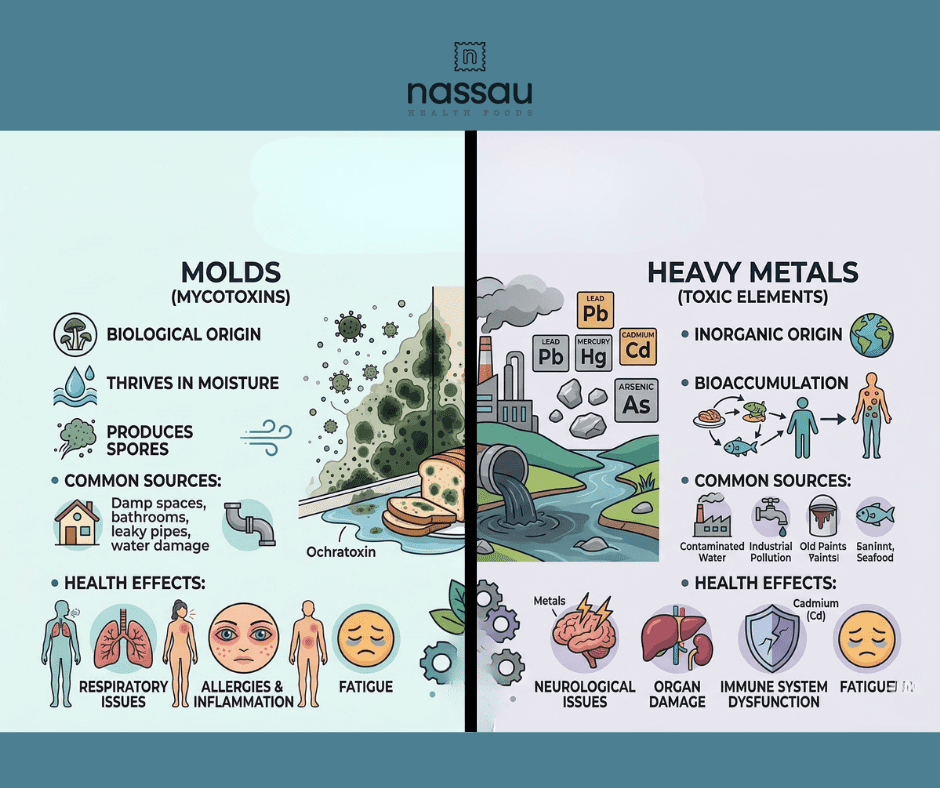
What Mold Actually Is

One of the most important things to understand is that mold is not a man-made chemical.

Mold is a living organism. It is a type of fungus that naturally exists in the environment. Outdoors, mold plays a beneficial role because it helps break down organic matter.

However, when mold begins growing indoors, it can become a problem—especially when moisture is present.

Indoor mold growth can occur when conditions allow it to thrive.

Common places mold may grow indoors

Mold can grow in areas where moisture or dampness exists, including:

  • Under sinks where pipes may leak
  • Bathrooms without adequate ventilation
  • Damp basements
  • Areas with condensation around windows
  • Locations affected by leaks or flooding
  • Areas with prolonged high humidity

In many cases, mold growth can begin within 24–48 hours after a water event, such as a leak or flood.

Another important point is that mold does not always grow where it can easily be seen.

Hidden mold locations

Mold may grow:

  • Behind walls
  • Under flooring
  • Inside HVAC systems

Because mold can exist in hidden areas, people may not always realize it is present.


How Mold Can Affect People

For many healthy adults, brief exposure to common household mold may not cause serious harm.

However, certain individuals may be more sensitive to mold exposure.

People who may be more affected

Those who may experience stronger reactions include:

  • People with allergies
  • People with asthma
  • Individuals with weakened immune systems

In these cases, mold exposure may trigger symptoms.

Possible symptoms associated with mold exposure

Symptoms mentioned in the transcript include:

  • Nasal congestion
  • Sneezing
  • Coughing
  • Eye irritation
  • Skin rashes
  • Headaches
  • Fatigue
  • Worsening asthma symptoms

These symptoms may resemble common allergy symptoms, which can make them difficult to identify.

Dr. Kessler notes that he has observed these types of symptoms in many patients over the years.


What Are Mycotoxins?

Certain types of mold can produce substances called mycotoxins.

One example mentioned is Stachybotrys, sometimes referred to as black mold.

Molds that produce mycotoxins may deserve extra attention, particularly when exposure occurs over longer periods of time.

However, the central message is that mold is manageable.

It may not always be easy to address, but there are practical steps people can take.


The Most Important Mold Prevention Step

The key factor in preventing mold growth is moisture control.

According to Dr. Kessler, controlling moisture inside the home is the number one defense against mold.

Recommended moisture control strategies

Practical steps mentioned in the transcript include:

  • Keeping indoor humidity below 50%
  • Using a hygrometer to monitor humidity levels
  • Running exhaust fans in bathrooms and kitchens
  • Fixing leaks promptly
  • Using a dehumidifier in basements or crawl spaces
  • Making sure dryers vent outside rather than into garages or attics

These steps can make a home significantly less hospitable to mold growth.


When to Consider a Mold Assessment

If mold is suspected in a home, a professional assessment may be helpful.

The transcript mentions professionals known as building biologists, who are trained to assess environmental toxins in homes, including mold.

Signs that may indicate mold problems

Examples mentioned include:

  • Visible mold growth on surfaces
  • Persistent musty smells
  • Allergy-like symptoms that improve when leaving the house

When these signs appear, it may be appropriate to contact a certified mold inspector or building biologist.

These professionals can test indoor air quality and help identify hidden mold.

An important warning mentioned in the transcript is that people should not attempt to handle large mold problems themselves, because disturbing mold improperly may increase exposure.


Mold and Medical Evaluation

If someone believes their symptoms may be related to mold exposure, Dr. Kessler recommends speaking with a physician.

Doctors may:

  • Evaluate symptoms
  • Run appropriate tests
  • Help determine possible next steps

The goal is to evaluate the situation carefully rather than ignoring potential health concerns.

Understanding Heavy Metals

The second topic discussed in this episode is heavy metals.

Heavy metals represent one of the oldest environmental health topics.

Examples mentioned include:

  • Lead
  • Mercury
  • Arsenic
  • Cadmium

Unlike some newer environmental concerns, heavy metals have been studied for decades and there is a strong understanding of their potential health effects.


Where Heavy Metal Exposure Can Occur

Although awareness of heavy metals has increased over time, people may still encounter them in certain situations.

Sources of heavy metal exposure mentioned in the transcript

Lead

  • Paint in homes built before 1978
  • Older plumbing and solder

Mercury

  • Certain fish
  • Large predatory fish such as:
    • Swordfish
    • Shark
    • King mackerel

Arsenic

  • Naturally present in some well water
  • Found in certain rice products

Cadmium

  • Associated with cigarette smoke
  • Certain industrial activities

These examples illustrate how heavy metals may still appear in everyday environments.


Health Effects of Heavy Metals

Health effects can vary depending on:

  • The specific metal
  • The level of exposure
  • The duration of exposure

Examples mentioned in the transcript include:

  • Lead may affect brain development in children even at low levels
  • Mercury can impact the nervous system and is considered a neurotoxin

Other heavy metals have their own specific health concerns.

However, Dr. Kessler emphasizes that dangerous levels of heavy metal exposure are not very common for most people in daily life.

Awareness and precautions remain important, especially in certain situations.


When People Should Be More Aware of Heavy Metal Exposure

Situations that may require additional awareness include:

  • Living in older homes
  • Pregnancy
  • Having young children

Additionally, environmental exposure may sometimes be considered when patients have unexplained symptoms and traditional medical testing has not provided answers.

In those situations, environmental assessments may be investigated.


Action Steps for Heavy Metal Awareness

Dr. Kessler outlines several practical steps people can take if they are concerned about heavy metal exposure.

Step 1: Know your home and water

If a home was built before 1978, lead paint may be present.

If the paint is in good condition and not peeling or chipping, it is generally considered safe. However, renovations should involve lead-certified contractors.

Water testing may also be important in certain situations.

Examples include:

  • Homes with older plumbing
  • Private wells

Local health departments may offer free or low-cost water testing kits.

Another recommendation mentioned is to run tap water for 30 seconds to two minutes before using it for drinking or cooking, which may help flush water that has been sitting in contact with older pipes.


Step 2: Speak with your doctor

People who have concerns about heavy metal exposure may wish to discuss testing with their healthcare provider.

Situations that may warrant testing include:

  • Living in older homes
  • Working in industries with potential exposure
  • Wanting reassurance about exposure levels

Testing options mentioned include:

  • Blood tests for lead and mercury
  • Additional tests designed to assess heavy metal exposure

Pediatricians routinely screen children for lead at ages one and two, but testing may still be appropriate later if concerns arise.

Dr. Kessler encourages people to be proactive with their healthcare providers when environmental concerns arise.


A Practical Perspective on Environmental Exposure

A consistent theme throughout the discussion is balance.

Environmental exposures such as mold and heavy metals are real topics in environmental health, but awareness and practical steps can help people address them appropriately.

Rather than ignoring these topics—or becoming overly worried—Dr. Kessler encourages people to:

  • Control moisture in the home
  • Monitor indoor environments
  • Test water when appropriate
  • Seek professional evaluation when needed
  • Work with healthcare providers when symptoms or concerns arise

These steps provide a practical path forward.


Watch the Full Episode

Want to hear the full conversation and explanations from Dr. Daniel Kessler?

Watch the complete episode here:
👉 https://youtu.be/21rxc2IjSIM

Read Series 1/4 here:  https://ameliaorganic.com/ep70-living-toxin-free-without-turning-your-life-upside-down/

Read Series 2/4 here:  https://ameliaorganic.com/ep71-pfas-and-microplastics-what-they-are-why-they-matter-and-simple-ways-to-reduce-exposure/

Your local organic and wellness partner.

Shop online anytime:
👉 https://ameliaorganic.com/

Or visit us in Fernandina Beach:
📍 833 T.J. Courson Rd.
Fernandina Beach, FL 32034

Transcript Evidence
All statements in this article are drawn directly from the episode transcript discussing mold as a naturally occurring fungus that can grow indoors with moisture, potential symptoms associated with mold exposure, the concept of mycotoxins, and environmental sources of heavy metals such as lead, mercury, arsenic, and cadmium, along with practical prevention and testing steps.
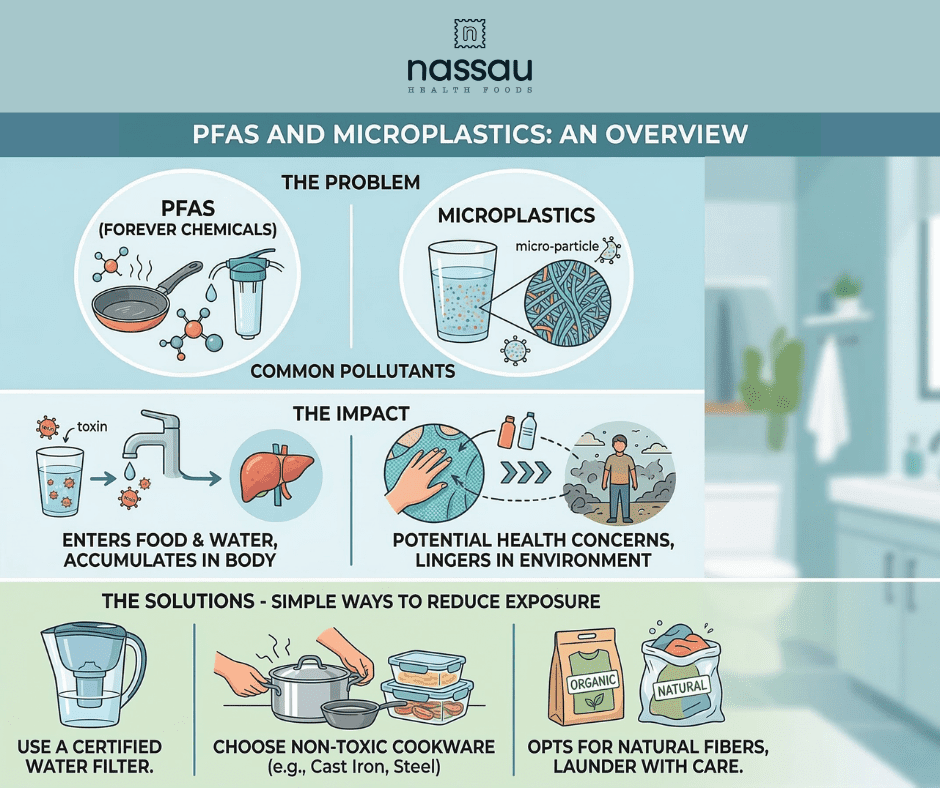
EP 71: PFAS and Microplastics: What They Are, Why They Matter, and Simple Ways to Reduce Exposure

“We don’t need to panic, but it does make good sense to reduce our exposure everywhere we can.

Dr. Daniel Kessler

Environmental health topics like PFAS and microplastics are appearing in the news more frequently. For many people, these terms can sound complicated or even alarming.

In this episode, Dr. Daniel Kessler, a board-certified family medicine physician trained at Mayo Clinic who also worked at the Centers for Disease Control’s National Center for Environmental Health, discusses these issues and explains them in clear, practical terms.

The goal of the conversation is not to create fear. Instead, the focus is on helping people understand what these environmental exposures are, why they matter, and what simple steps can help reduce exposure.

The discussion focuses on four environmental topics that people are hearing about more often:

  • PFAS
  • Microplastics
  • Mold
  • Heavy metals

The episode primarily explores PFAS and microplastics and provides practical guidance for people who want to better understand these environmental concerns.


What Are PFAS?

PFAS stands for per- and poly-fluoroalkyl substances. These are man-made chemicals that were designed to resist water, oil, and heat.

They have been used since the 1940s in many everyday products.

Because of their chemical structure, PFAS do not easily break down in the environment. For this reason, they are often referred to as “forever chemicals.”

Where PFAS Are Commonly Found

PFAS have historically been used in a wide range of products designed to resist water, stains, or heat.

Examples mentioned in the episode include:

  • Non-stick cookware
  • Stain-resistant fabrics
  • Water-resistant jackets
  • Fast food wrappers and takeout containers
  • Some cosmetics
  • Dental floss

Because these chemicals were widely used in manufacturing, they have become very common in the environment.


Why PFAS Are Called “Forever Chemicals”

PFAS earned the nickname “forever chemicals” because they do not easily break down in nature.

Once released into the environment, they can persist in:

  • Soil
  • Water
  • The human body

Studies have detected PFAS in the blood of the vast majority of Americans who have been tested.

However, the presence of PFAS in the body does not automatically mean someone will become ill. The key takeaway is that PFAS exposure is something worth understanding and paying attention to.


Health Concerns Researchers Are Studying

Scientists continue to study how PFAS may affect human health.

Research mentioned in the episode has examined potential associations with:

  • Cholesterol levels
  • Thyroid function
  • Immune response, especially in children
  • Certain cancers

The science around PFAS is still evolving, and researchers continue to learn more each year.

Government agencies are also taking action.

For example, the Environmental Protection Agency (EPA) has begun setting guidelines related to PFAS levels in drinking water.


Practical Steps to Reduce PFAS Exposure

While PFAS are widespread, the episode emphasizes that there are practical steps individuals can take to reduce exposure.

1. Filter Your Drinking Water

One of the most important actions discussed is filtering drinking water.

Water filtration systems can help reduce PFAS exposure.

Filters mentioned in the episode include:

  • Reverse osmosis systems
  • Certain activated carbon filters

Consumers can look for filters that are NSF certified to reduce PFAS.

Even relatively simple solutions such as countertop or under-sink filters may make a meaningful difference.


2. Reduce Non-Stick and Stain-Resistant Products

Another approach is gradually reducing certain household products that may contain PFAS.

This does not require replacing everything immediately. Instead, changes can be made over time as products wear out.

Examples discussed include:

  • Replacing non-stick cookware
  • Choosing alternatives such as cast iron, stainless steel, or ceramic
  • Looking for PFAS-free furniture or carpeting
  • Avoiding optional stain-resistant treatments

Small changes made over time can add up.


What Are Microplastics?

Microplastics are another environmental topic that has received growing attention.

As the name suggests, microplastics are extremely small pieces of plastic, often less than five millimeters in size.

Some microplastic particles are so small that they are microscopic.


Where Microplastics Come From

Microplastics can originate from several sources.

Examples discussed in the episode include:

  • The breakdown of plastic bottles and bags
  • Synthetic clothing fibers that shed during washing
  • Car tires wearing down on roads
  • Plastic packaging materials

These tiny particles can eventually enter the environment.

As a result, microplastics have been detected in:

  • Water
  • Food
  • Air

Microplastics Detected in the Human Body

Research has also detected microplastics in the human body.

Examples mentioned in the discussion include:

  • Blood
  • Lung tissue
  • Placenta
  • Arteries

One study referenced in the episode reported microplastics found in the carotid arteries, which are the arteries located in the neck.

Researchers observed that these particles may contribute to inflammation within the arteries, which could potentially play a role in cardiovascular problems such as stroke or cardiovascular disease.


What Scientists Still Do Not Know

Despite growing attention to microplastics, research in this area is still developing.

Scientists know that microplastics can be present in the body, but the full health implications are still being studied.

Early research suggests potential concerns related to:

  • Inflammation
  • Cellular stress

However, researchers are continuing to study how these particles affect long-term health.

This process is a normal part of scientific progress.

Scientists observe, study, and adjust recommendations as more information becomes available.


Reducing Microplastic Exposure

Even though the research is still evolving, the episode emphasizes that reducing exposure where possible is a reasonable approach.

1. Rethink Plastic Use With Food and Drinks

One of the simplest changes involves how plastic is used around food.

Examples discussed include:

  • Avoid microwaving food in plastic containers
  • Avoid heating plastic wrap with food
  • Use glass containers for food storage
  • Use stainless steel or glass water bottles

Heat can cause plastics to break down and release particles into food.

Making these changes can help reduce daily microplastic intake.


2. Use Water Filters That Capture Microplastics

Water filtration may also help reduce microplastic exposure.

Examples mentioned include:

  • Reverse osmosis filters
  • Solid carbon block filters

These filtration systems may capture microplastic particles in addition to reducing PFAS exposure.

This means a single filtration system can address multiple environmental exposures.


Awareness Without Panic

A central theme of the episode is balance.

Environmental exposures exist in modern life, and many people encounter them daily.

However, the goal is not to panic.

Instead, the focus is on becoming informed and making reasonable changes that may reduce exposure over time.

Examples discussed throughout the conversation show that small steps can be practical and achievable.


Why Environmental Awareness Matters

Understanding environmental exposures can help people make more informed choices.

Even simple lifestyle adjustments may contribute to overall health.

These adjustments may include:

  • Filtering drinking water
  • Reducing certain plastic uses
  • Gradually replacing certain household products

The key message is empowerment through information.


Final Thoughts

PFAS and microplastics are environmental topics that are receiving increasing attention from scientists, public health organizations, and the media.

Although research continues to evolve, understanding these exposures and making simple adjustments can help individuals feel more informed about their environment.

Dr. Kessler’s perspective highlights a balanced approach:

Learn about these issues, avoid unnecessary fear, and focus on practical steps that can help reduce exposure.


👉 Watch the full episode here: https://youtu.be/ehxaYte7lEo

Read Series 1/4 here: https://ameliaorganic.com/ep70-living-toxin-free-without-turning-your-life-upside-down/

🌿 Nassau Health Foods is your local organic and wellness partner.
Shop online anytime: https://ameliaorganic.com/
Or visit us at 833 T.J. Courson Rd., Fernandina Beach, FL 32034

Transcript Evidence
The article above is based exclusively on statements from the episode transcript, including:
– PFAS are man-made chemicals used since the 1940s designed to resist water, oil, and heat.
– PFAS are often called “forever chemicals” because they persist in the environment and the human body.
– PFAS are found in products such as non-stick cookware, stain-resistant fabrics, water-resistant jackets, food packaging, cosmetics, and dental floss.
– Studies have detected PFAS in the blood of the majority of Americans tested.
– Microplastics are small plastic particles that come from the breakdown of larger plastics, synthetic clothing fibers, car tires, and packaging materials.
– Research has detected microplastics in blood, lung tissue, placenta, and arteries.
– Reverse osmosis and certain carbon filters may help reduce PFAS and microplastics in drinking water.

EP 64: How Toxins Quietly Shorten Your Health Span

Everyone carries some level of toxins—
regardless of age.”

Dr. Daniel Kessler

Most people associate toxins with something obvious—an illness, a reaction, or an emergency. But according to Dr. Daniel Kessler, that assumption is exactly what causes many people to miss the bigger picture.

In this episode of the Organic Living Secrets podcast, Steve Adams sits down with Dr. Kessler to explore how toxins can quietly shorten your health span—the years you live in good health—even when blood work appears normal and symptoms are minimal.

This is not a fear-based discussion. It is a grounded, practical conversation about awareness, everyday exposure, and the small choices that can meaningfully influence long-term health.


What Is Health Span—and Why It’s Different From Life Span

Life span refers to how long you live.
Health span refers to how long you live well.

Dr. Kessler explains that many people feel reassured when routine labs come back normal. But that reassurance can be misleading. A person may technically be “alive and functioning” while slowly accumulating internal stressors that reduce vitality over time.

The problem, he notes, is that people often wait for something bad to happen before they start asking deeper questions:

  • Why didn’t I know sooner?
  • Could this have been prevented?
  • Was there something I could have done differently?

This gap—between feeling okay and actually being healthy—is where health span quietly erodes.


Dr. Kessler’s Background in Environmental Health

Before becoming a practicing physician, Dr. Kessler worked at the Centers for Disease Control, specifically at the National Center for Environmental Health.

His role involved analyzing blood and serum samples from people across:

  • All age groups, from infants to the elderly
  • Populations across the United States
  • Samples from around the world

What he found was consistent and striking:

Every individual—regardless of age—had some level of toxins present in their body.

This exposure was not limited to people who were sick. It was universal.


Why Toxins Are Often a “Hidden Load”

Dr. Kessler refers to toxin accumulation as a hidden load—something the body adapts to over time without producing immediate symptoms.

The human body is resilient. It can compensate for stressors for years. But that adaptation comes at a cost.

Many patients, he explains, experience symptoms such as:

  • Not feeling well
  • Low energy
  • Ongoing discomfort without clear diagnosis

Yet standard blood work often appears mostly normal.

That disconnect is what leads to frustration—for both patients and doctors.


Acute Care vs. Chronic Exposure

Modern healthcare excels at acute intervention.

If someone has:

  • A heart attack
  • A severe infection
  • A sudden medical emergency

The system responds quickly and effectively.

However, Dr. Kessler points out that chronic, low-level exposure to toxins does not trigger alarms. These exposures:

  • Do not cause immediate harm
  • Build slowly over years or decades
  • Often go unaddressed

This is why many people feel something is “off” without being able to pinpoint why.


Types of Toxins Discussed in the Episode

Dr. Kessler explains that the word toxin can be misleading and overly broad. He breaks it down into categories discussed in the conversation:

1. Infectious Toxins

These are produced during infections such as:

  • Flu
  • Viral illnesses
  • Food poisoning

They often cause noticeable symptoms and resolve once the infection clears.

2. Man-Made and Environmental Exposures

These include synthetic chemicals that:

  • Did not exist a century ago
  • Are encountered daily
  • Accumulate slowly

Dr. Kessler notes that the body may encounter thousands of these chemicals over time.

Most exposures do not cause immediate illness—but chronic exposure can quietly contribute to:

  • Inflammation
  • Hormone disruption
  • Reduced health span

Why Feeling “Fine” Can Be Misleading

One of the most important ideas in the episode is this:

Feeling okay does not always mean you are as healthy as you think.

Dr. Kessler emphasizes that many people delay action because nothing feels urgent. They wait for pain, diagnosis, or crisis before making changes.

By the time something shows up clearly, the underlying issues may have been developing for years.


The Kitchen as a Major Exposure Zone

When discussing practical changes, Dr. Kessler starts where people spend a large portion of their time: the kitchen.

Food as a Major Influence

Food matters—not just nutritionally, but chemically.

Dr. Kessler describes food as one of the most impactful daily exposures and notes that sugar is widely recognized as a major contributor to health issues.

He also references recent changes to the food pyramid, emphasizing shifts toward:

  • Less grains
  • More healthy fats
  • More healthy proteins

(Specific details beyond this were not expanded further in the transcript.)


Cookware and Chemical Exposure

Cookware is another overlooked source of exposure.

Dr. Kessler discusses concerns around:

  • Non-stick cookware
  • Overheating or scratching surfaces
  • Release of certain chemicals when damaged

He mentions PFAS—often referred to as “forever chemicals”—and explains that these substances can accumulate in the body over time.

Practical Alternatives Mentioned

  • Switching to stainless steel cookware
  • Being mindful of utensil materials

Plastics and Heat: A Risk Combination

Plastic exposure is discussed in the context of heat.

Dr. Kessler highlights a key principle:

Heat accelerates chemical migration from plastic into food.

He strongly advises against:

  • Microwaving food in plastic containers
  • Trusting “microwave-safe” labels

Preferred Options Mentioned

  • Glass containers
  • Ceramic containers

When storing leftovers, transferring food into these materials can reduce exposure.


Why This Is Not a Fear-Based Conversation

Throughout the episode, Dr. Kessler repeatedly emphasizes control—not fear.

The goal is not to eliminate all exposure (which is unrealistic), but to:

  • Reduce unnecessary exposure
  • Make better daily choices
  • Focus on small, consistent improvements

He stresses that people are far more empowered than they realize.


Small Changes Add Up Over Time

The central message of the episode is simple:

Small, practical changes—applied consistently—can meaningfully reduce toxic load over time.

These changes do not require extreme measures, perfection, or panic. They require awareness and intention.n’t toxin-free and explains that Nassau Health Foods exists to help people make those choices more easily.


Protecting Your Health Span

Health span is not something that suddenly disappears. It is gradually shaped by daily decisions, environmental exposures, and long-term habits.

This conversation invites listeners to stop waiting for symptoms and start thinking earlier—before problems become obvious.

Read Series 1 herehttps://ameliaorganic.com/ep63-toxin-burden-and-your-health-why-what-youre-exposed-to-matters-more-than-you-think/ 

Read Series 2, Part 2 here: https://ameliaorganic.com/ep65-reduce-toxic-exposure-what-water-skin-and-everyday-products-are-doing-to-your-body-series2-part2/

👉 Watch the full episode here: https://youtu.be/xUbDOeMWcS8
👉 Shop online anytime at https://ameliaorganic.com/
📍 Or visit us at 833 T.J. Courson Rd., Fernandina Beach, FL 32034

All claims, examples, explanations, and recommendations in this article were derived exclusively from the recorded conversation between Steve Adams and Dr. Daniel Kessler on the Organic Living Secrets podcast episode discussing toxins and health span. No external sources, studies, statistics, or interpretations were added beyond what was stated in the transcript.

Your map to healthy eating.

Conveniently located near the beach and downtown.

Mon-Fri: 8am – 7pm

Sat: 8am – 6pm

Sun: 10am – 4pm

Tel: (904) 277-3141

Tel: (904) 277-3141

Mon-Fri: 8am – 3pm

Closed on Saturday & Sunday

Order Online

Get Directions