
EP 70: Living Toxin-Free Without Turning Your Life Upside Down
“This is how real health improvement works. Not with one dramatic overhaul, but with a hundred small smart choices.

Dr. Daniel Kessler

If you’ve been Googling “toxins in my home,” “are plastics making me sick,” or searching about microplastics and forever chemicals, you’ve probably come across some pretty terrifying information.

There’s a lot of noise out there.
There’s a lot of fear out there.
And there are a lot of people selling you things because you’re afraid.

This is not that.

In this episode, Dr. Daniel Kessler — a Mayo Clinic trained family medicine physician and former physician at the National Center for Environmental Health at the CDC — shares five real, practical, evidence-based steps you can start doing this week to genuinely lower your everyday toxin exposure .

No overhaul.
No spending hundreds of dollars.
No fear-based messaging.

Just smart moves that add up.


Step 1: Get a Solid Water Filter

If you do only one thing after reading this article, start here.

You drink water every single day — multiple times a day. And even treated municipal water can contain trace amounts of substances you’d probably rather not be drinking.

These can include:

  • “Forever chemicals” (PFAS)
  • Microplastics
  • Low levels of heavy metals (depending on plumbing)
  • Chlorine byproducts

Dr. Kessler makes something very clear:

He’s not saying your tap water is necessarily dangerous. But if you want to reduce exposure, start with a filter that is NSF certified — a third-party certification that confirms the filter has been tested and proven to reduce specific contaminants .

What to Look For:

  • NSF-certified filtration
  • Carbon block systems
  • Reverse osmosis systems
  • Countertop or under-sink units

One investment. Multiple concerns addressed.

A Simple Bonus Tip (Costs Nothing)

If you don’t have a filter yet:

  • Run cold tap water for 10–60 seconds before filling your glass.
  • Especially first thing in the morning.
  • Water that sits in pipes overnight can pick up more metals .

Small action. Immediate impact.

Dr. Kessler also notes that he generally does not recommend consuming tap water without filtration for his patients .


Step 2: Break Up With Plastic in Your Kitchen

Plastic is everywhere. And no, you do not need to throw everything out today.

But here’s the principle:

Heat and plastic do not mix.

When you:

  • Microwave food in plastic containers
  • Put hot soup in plastic bowls

The heat can break down plastic at a molecular level, releasing:

  • Microplastics
  • Chemicals used to make plastic flexible

That’s not fear. That’s chemistry.

Simple Swaps That Matter

  • Reheat leftovers on a plate or in glass
  • Replace plastic storage containers with glass
  • Use stainless steel water bottles
  • Replace scratched non-stick pans with:
    • Cast iron
    • Stainless steel
    • Ceramic-coated pans

You don’t need to overhaul your kitchen.
Just replace items as they wear out.

That’s how sustainable health changes actually happen.


Step 3: Let Your House Breathe

Here’s something that surprises many people:

According to the EPA, indoor air can be two to five times more polluted than outdoor air .

And we spend most of our time indoors.

Indoor pollutants can come from:

  • Cleaning products
  • Air fresheners
  • Scented candles
  • Mold spores
  • Dust carrying flame retardants and chemicals

Modern homes are sealed tightly for energy efficiency. That’s great for electric bills — but not always for air quality.

What You Can Do Today

1. Open Your Windows

Dr. Kessler references the German term “lüften” — airing out your home regularly. Even 10–15 minutes per day can make a difference .

Create cross-ventilation. Let fresh air circulate.

2. Use Exhaust Fans

  • During and after showers
  • When cooking on the stovetop

Moisture feeds mold. Ventilation helps prevent it .

3. Simplify Cleaning Products

Check under your sink:

  • Are there heavy fragrances?
  • Harsh chemical labels?

Consider:

  • White vinegar
  • Baking soda
  • Products with full ingredient disclosure

Many conventional cleaners are “not that healthy,” as Dr. Kessler puts it .

Again — no overhaul required. Just intentional upgrades.


Step 4: Eat Smarter, Not Harder

This is not a strict diet plan.
And it’s not “buy organic everything or else.”

Dr. Kessler emphasizes practicality and respect for budget realities .

Here’s what actually moves the needle.

1. Wash Your Produce — Properly

  • Rinse under running water
  • Rub the surface
  • Friction matters

No fancy sprays required.

Some people also use vinegar — which is also a helpful cleaning method for produce .

Dr. Kessler notes that washing can remove pesticide residue and even surface films applied to extend shelf life .

2. Be Strategic About Organic

Use the “Dirty Dozen” list, which identifies fruits and vegetables that tend to carry more pesticide residue (such as strawberries, spinach, and apples) .

If you can buy organic for those items, great.

If not?

Don’t stress.

The health benefits of eating fruits and vegetables outweigh the risk of trace pesticides. As Dr. Kessler says:

“I’d rather you eat conventional blueberries than no blueberries.”

3. Vary Your Fish Intake

Fish is excellent:

  • High-quality protein
  • Omega-3 fats

But larger predatory fish tend to accumulate more mercury:

  • Swordfish
  • Shark
  • King mackerel
  • Tuna

Lower-mercury options include:

  • Salmon
  • Sardines
  • Tilapia
  • Shrimp
  • Cod
  • Herring

This matters even more for:

  • Pregnant women
  • Young children

Again — not fear. Just informed choices.


Step 5: Build a Relationship With Your Doctor

This is the step Dr. Kessler feels most strongly about.

Environmental health isn’t just for toxicologists or epidemiologists. It belongs in family medicine and preventative care .

If you’re concerned about:

  • Your home
  • Your water
  • Your workplace
  • Persistent symptoms

Bring it up at your next appointment.

What Can Be Checked?

  • Blood tests for lead and mercury
  • Thyroid function
  • Hormone levels (since some chemicals act as hormone disruptors)

Symptoms worth discussing may include:

  • Persistent fatigue
  • Brain fog
  • Headaches
  • Skin issues
  • Breathing problems
  • Asthma
  • Allergies

It doesn’t mean environmental exposure is always the cause.
But it should be part of the conversation.

For parents:

  • Pediatricians screen for lead at ages one and two
  • If you move into an older home or have concerns, ask for testing

Being proactive is not paranoia. It’s smart.

And any good doctor should welcome that conversation.


The Big Picture: Small Changes, Big Impact

Let’s recap the five steps:

  1. Get a quality water filter
  2. Stop heating food in plastic
  3. Let your house breathe
  4. Eat smart and wash produce
  5. Talk to your doctor

None of this requires:

  • Turning your life upside down
  • Spending hundreds of dollars
  • Living in fear

It’s about:

  • Being informed
  • Being intentional
  • Making small changes that add up over time

As Dr. Kessler says:

“This is how real health improvement works. Not with one dramatic overhaul, but with a hundred small smart choices.”

That’s the mindset shift.

Not perfection.
Progress.


Watch the full episode here: https://youtu.be/h9XeLjX33WQ 

Your local organic and wellness partner.
Shop online anytime at 👉 https://ameliaorganic.com/
Or visit us at 833 T.J. Courson Rd. Fernandina Beach, FL 32034

Transcript Evidence
All claims, recommendations, terminology, examples, credentials, and statements in this article are drawn directly from:
“How to Start Living Toxin-Free Without Turning Your Life Upside Down”
No external statistics, frameworks, or additional claims were added beyond what is stated in the transcript.
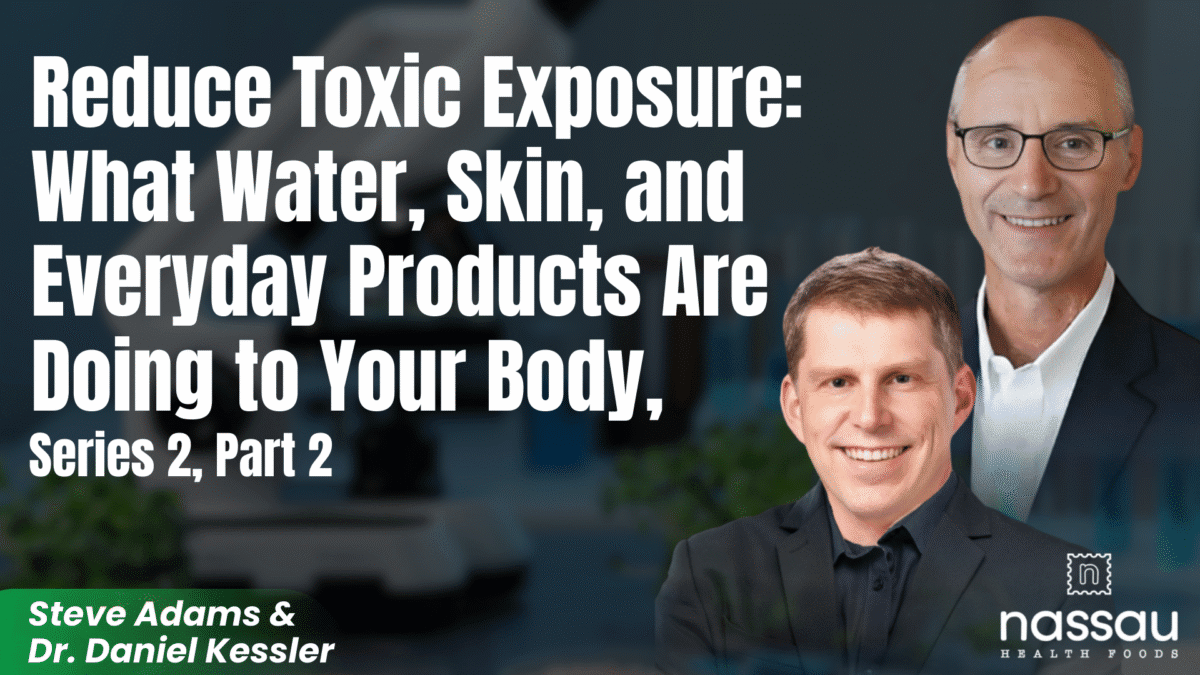
EP 65: Reduce Toxic Exposure: What Water, Skin, and Everyday Products Are Doing to Your Body, Series 2, Part 2

Before doing anything fancy, you need to reduce exposure.”

Dr. Daniel Kessler

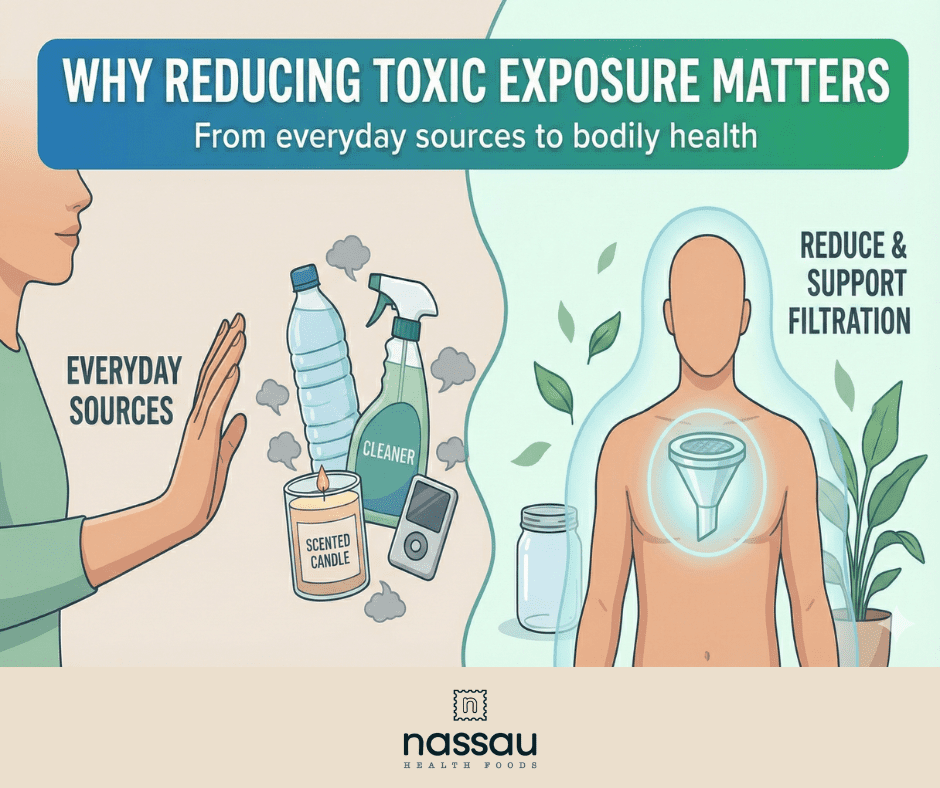
When people think about toxins, they often think about food. But as discussed in this episode, toxic exposure comes from many everyday sources, often in ways people don’t immediately recognize.

The conversation centers on one core idea: before doing anything fancy, the first step is reducing exposure. That means identifying where toxins are coming from and minimizing them where possible. This foundational step matters because the body already has systems designed to filter and eliminate toxins—but those systems can become overwhelmed over time.


Water Quality: A Daily Source of Hidden Exposure

One of the first areas discussed is water quality.

Even when municipal water meets safety standards, it may still contain pharmaceutical remnants and other substances. These remnants can remain present despite treatment processes, and not all water filters remove everything completely.

Listeners are encouraged to become more aware of their own water quality by looking it up by zip code using publicly available resources. The takeaway is not fear—but awareness. Understanding what’s in the water you drink every day is a foundational step in reducing overall exposure.

Key points from the discussion:

  • Municipal water can meet standards yet still contain unwanted substances
  • Pharmaceutical remnants may be present
  • Not all filters remove everything
  • Awareness starts with knowing your local water quality

Small choices, such as choosing higher-quality water options and reducing plastic exposure, are described as practical steps people can take.


Produce: Why Cleaning Matters—Even With Organic Foods

Food quality is another important topic, particularly produce.

While organic options are discussed positively, the episode emphasizes that all produce should be cleaned intentionally. Even organic fruits and vegetables benefit from thorough rinsing.

For non-organic produce, the conversation highlights that some items may be treated with chemicals to enhance color and shelf life. Apples are specifically mentioned as an example where treatments may be used to improve appearance.

The key takeaway is simple: rinsing produce matters. What comes off when fruits and vegetables are washed can be surprising—and reinforces the importance of intentional cleaning practices.


The Skin: The Body’s Largest Organ

A major focus of the episode is skin absorption.

The skin is described as the largest organ in the body, and it absorbs a meaningful percentage of whatever is applied to it. This makes personal care products a significant source of exposure that many people overlook.

Personal Care Products and Hormone Disruption

Certain ingredients commonly found in personal care products are discussed, including:

  • Fragrances
  • Parabens
  • Phthalates

These are described as hormone disruptors, meaning they can interfere with hormonal balance and may mimic estrogen in the body.

The discussion stresses that this isn’t about perfection—it’s about awareness. Many people apply products daily without considering how much the skin absorbs over time.


A Real Patient Story: Reducing Exposure Made a Measurable Difference

One of the most compelling moments in the episode is a real patient story.

A 28-year-old woman, described as healthy and mindful of her diet, showed extremely high autoimmune markers in blood work—levels that should have been zero but were over a thousand.

After reviewing her lifestyle, attention was directed to her personal care products, including:

  • Tanning lotions
  • Makeup applied to the skin and neck
  • Foundation products

The recommendation focused on switching these products.

What Happened Next

After three months:

  • Autoimmune markers dropped from over 1,000 to under 300
  • This change occurred without adding new interventions, simply by reducing exposure

This story illustrates how everyday products can contribute to toxic load—and how reducing exposure can lead to measurable changes.


How the Body Filters Toxins

The episode explains that the body already has natural filters, including:

  • The liver
  • The kidneys
  • The skin

Over time, these filters can become burdened. Many toxins are described as fat-soluble, meaning they can remain stored unless the body is supported in eliminating them.

How Toxins Leave the Body

According to the discussion, toxins can be eliminated through:

  • Urination
  • Bowel movements
  • Sweating
  • Breathing

As toxins are released, people may notice:

  • Stronger body odor
  • Changes in breath
  • Increased sweating

Rather than seeing these as negative signs, they are framed as indicators that the body is actively eliminating stored substances.


Detox Symptoms: Why Discomfort Can Be Normal

A personal experience is shared involving switching to non-toxic deodorant.

During the first 60 days:

  • Body odor increased
  • The body appeared to be adjusting

After this period:

  • Odor normalized
  • Less product was needed overall

This example reinforces the idea that temporary discomfort doesn’t mean something is wrong. In many cases, it can reflect the body adapting as exposure is reduced.


The Rowing Team Analogy: A Practical Way to Think About Detox

Toward the end of the episode, a powerful analogy is introduced by a board-certified toxicologist.

Each rower in a rowing team represents something a person can do to reduce toxic load and support the body’s filtering systems.

The First Rower: Reduce Exposure

Before:

  • Supplements
  • Saunas
  • Exercise routines

The first and most important rower is reducing exposure.

This means:

  • Evaluating water quality
  • Reviewing kitchen and cleaning products
  • Assessing personal care items
  • Asking whether daily choices are helping or harming

Only after reducing incoming exposure does it make sense to focus on supporting detox pathways.


Small Changes, Consistent Progress

The episode emphasizes progress over perfection.

Rather than trying to change everything at once, listeners are encouraged to:

  • Make one small improvement
  • Aim to improve by 1% each day

Over time, these small changes compound, leading to meaningful reductions in toxic load.


A Broader View of Health

The conversation expands on a familiar phrase: “We are what we eat.”
It’s reframed as:

  • We are what we eat
  • We are what we digest
  • We are what we absorb
  • We are what we excrete

This broader view highlights why exposure—from water, air, and skin contact—matters just as much as diet.


Where to Start If You Feel Overwhelmed

A recurring theme is that people often don’t know where to begin.

A simple starting point suggested in the discussion:

  • Ask yourself how you feel
  • Identify one area where exposure could be reduced
  • Make one change

This grounded approach removes overwhelm and keeps the focus on practical, sustainable steps.


Final Thought: Commit to Your Body Daily

Rather than treating health as a short-term resolution, the episode encourages a daily commitment.

Reducing toxic exposure isn’t about extremes—it’s about awareness, intention, and consistency. Over time, these choices support the body’s natural ability to filter and eliminate what it no longer needs.

Read: “Toxin Burden and Your Health: Why What You’re Exposed to Matters More Than You Think, Series 1”

Read: “How Toxins Quietly Shorten Your Health Span, Series 2, Part 1”

👉 Watch the full episode here: https://youtu.be/9UnuCQjnJ5Y
👉 Shop online anytime at https://ameliaorganic.com/
📍 Or visit us at 833 T.J. Courson Rd., Fernandina Beach, FL 32034

All information, examples, analogies, and conclusions in this article are derived exclusively from the podcast transcript, including discussions on water quality, produce cleaning, skin absorption, hormone disruptors, patient experience, detox symptoms, and the rowing team analogy.
No external studies, statistics, or claims were added.

Your map to healthy eating.

Conveniently located near the beach and downtown.

Mon-Fri: 8am – 7pm

Sat: 8am – 6pm

Sun: 10am – 4pm

Tel: (904) 277-3141

Tel: (904) 277-3141

Mon-Fri: 8am – 3pm

Closed on Saturday & Sunday

Order Online

Get Directions