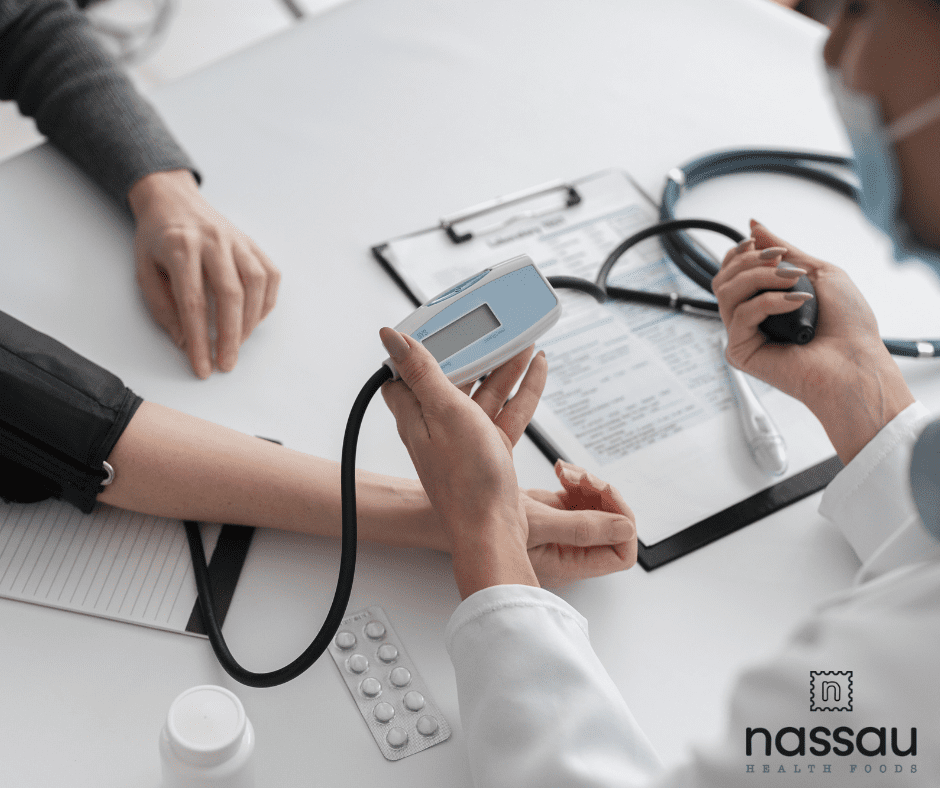
EP 24: The Hidden Energy Crisis Inside Your Body: How to Reclaim Your Vitality with Every Meal
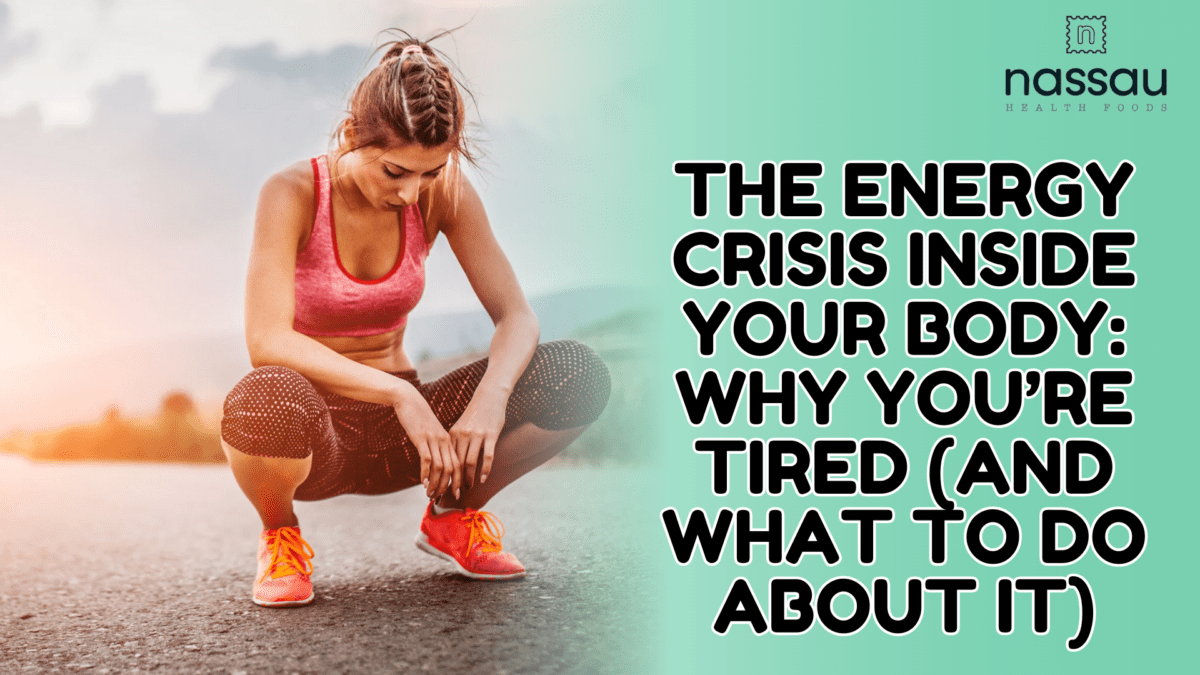
“Your body is like a car—it needs the right fuel, regular maintenance, and a clean environment to run smoothly. If you’re always tired, something’s out of balance, but the good news is: you CAN fix it!”

Does this sound familiar? You wake up tired, even after 8 hours of sleep. By mid-afternoon, you’re reaching for another cup of coffee or a sugary snack to keep going. And by the end of the day, you’re completely drained, with no energy left for the things you love.

If you’re nodding along, you’re not alone. Many people feel like they’re running on empty, but they don’t know why. The truth is, your energy crisis isn’t just in your head—it’s happening inside your body. And today, we’re going to show you how to fix it.

Let’s break this down step by step, so you can understand why your energy is low and how to take it back.


Why You’re Always Tired

Imagine your body as a beautiful, high-performance car. It’s designed to run smoothly and efficiently, but only if you give it the right care. If you’re feeding it the wrong fuel, skipping maintenance, or letting it sit in a polluted environment, it will start to break down.

Here are the top 3 reasons why your energy might be running low:

1. Toxins Are Weighing You Down

Think of toxins like mud being thrown at your car’s engine. Over time, they clog up the system, making it harder for your body to function.

Every day, we’re exposed to toxins from:

  • Pesticides on non-organic fruits and vegetables.
  • Harsh chemicals in household cleaners.
  • Artificial fragrances in personal care products.

These toxins overload your liver, disrupt your hormones, and create inflammation—all of which leave you feeling tired and sluggish.


2. Your Blood Sugar Is on a Rollercoaster

Have you ever eaten a big bowl of pasta or a sugary snack, only to feel hungry and tired an hour later? That’s your blood sugar playing tricks on you.

When you eat processed carbs and sugary foods, your body burns through the energy quickly, causing a crash. This cycle leaves you feeling tired, cranky, and craving more sugar.


3. You’re Missing Key Nutrients

Just like a car needs oil and gas to run, your body needs certain nutrients to produce energy. Without enough magnesium, B vitamins, and healthy fats, your cells can’t do their job properly.

If you’re eating a diet full of processed foods, you’re likely missing these essential nutrients, which can leave you feeling drained.


How to Fix Your Energy Crisis

The good news? You can reclaim your energy by making a few simple changes to your diet, environment, and lifestyle. Let’s look at the three pillars of energy:


Pillar 1: Reduce Toxins

Imagine trying to drive your car with mud clogging up the engine. That’s what toxins do to your body—they slow everything down. Here’s how to clean up your system:

1. Choose Organic Produce

Start with the Dirty Dozen—fruits and vegetables that are most heavily sprayed with pesticides, like strawberries, spinach, and apples. By swapping these for organic options, you reduce your toxin exposure and help your body work more efficiently.

2. Switch to Natural Cleaners

Harsh chemical cleaners can harm your lungs and skin, and they add unnecessary toxins to your home. Use natural options like vinegar, baking soda, or plant-based cleaners to keep your space safe.

3. Go Fragrance-Free

Many personal care products contain artificial fragrances, which are loaded with chemicals that disrupt your hormones. Look for fragrance-free or naturally scented options to give your body a break.


Pillar 2: Eat for Energy

Your body is like a car—it runs best on high-quality fuel. If you’re feeding it processed carbs and sugary snacks, you’re running on fumes. Instead, focus on foods that give you steady, long-lasting energy.

1. Add Healthy Fats

Healthy fats like avocado, olive oil, nuts, and seeds are like premium gas for your body. They provide long-lasting energy and help stabilize your blood sugar.

2. Focus on Clean Proteins

Grass-fed meats, wild-caught fish, and plant-based proteins like lentils and chickpeas are packed with nutrients that support energy production.

3. Load Up on Veggies

Non-starchy vegetables like spinach, broccoli, and zucchini are full of fiber, vitamins, and minerals that keep your body running smoothly.

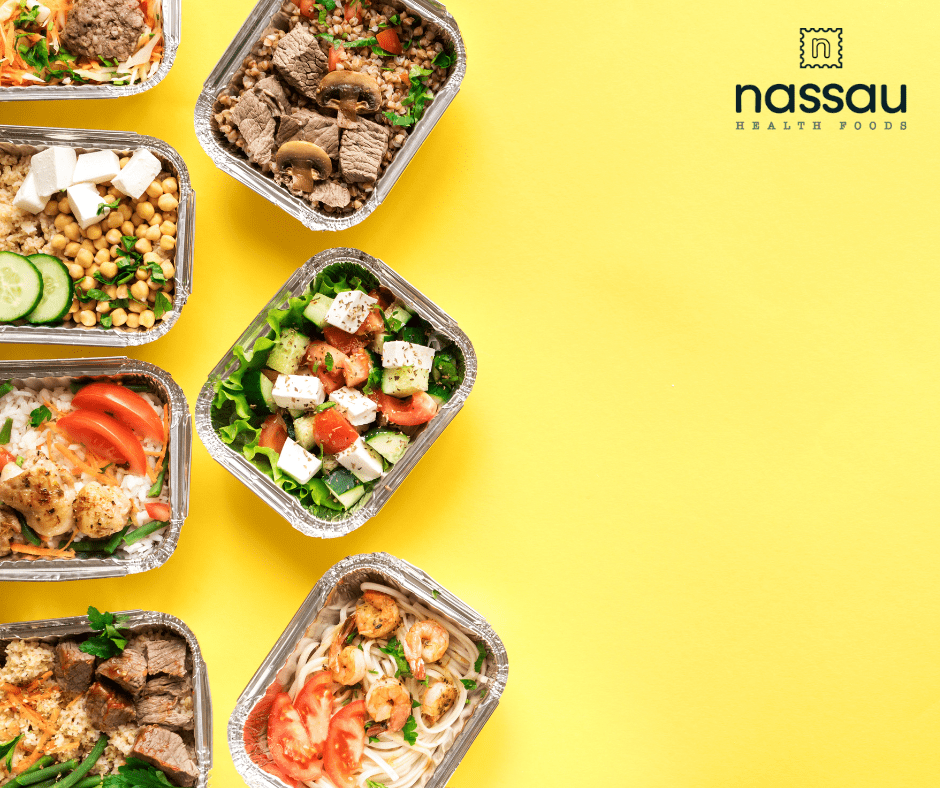
Pro Tip: If you’re not sure where to start, visit Amelia Fresh Café! We serve low-carb, nutrient-dense meals that are fresh, delicious, and designed to fuel your body.


Pillar 3: Build Energy-Boosting Habits

Your lifestyle plays a huge role in how much energy you have. By making a few small changes, you can feel more energized every day.

1. Get Better Sleep

Your body needs time to recharge. Aim for 7-9 hours of sleep each night, and try turning off screens an hour before bed to help your brain wind down.

2. Move Your Body

Exercise doesn’t have to be intense to be effective. A 10-minute walk outside can boost your energy by improving blood flow and oxygenation.

3. Stay Hydrated

Dehydration is a common energy zapper. Drink plenty of filtered water throughout the day to keep your body functioning at its best.


A Real-Life Success Story

Let me tell you about Sarah, a mom on Amelia Island who felt like she was running on empty. Between work, kids, and everyday stress, she had no energy left for herself.

After visiting Nassau Health Foods, Sarah made three simple changes:

  1. She switched to organic produce from the Dirty Dozen list.
  2. She started adding healthy fats like avocado and olive oil to her meals.
  3. She replaced her chemical cleaners with natural alternatives.

Within a few weeks, Sarah noticed a huge difference. She had more energy, fewer headaches, and even clearer skin!

Her advice? “Start small. Just one change can make a big difference in how you feel.”


Your Action Plan: 3 Steps to Get Started

Now it’s your turn! Here are 3 quick, actionable steps you can take today:

1️⃣ Swap one high-pesticide fruit or veggie for an organic option. Start with strawberries or apples.
2️⃣ Try a nutrient-dense, low-carb meal at Amelia Fresh Café. It’s a delicious way to fuel your body.
3️⃣ Replace one toxic product in your home with a natural alternative. Start small—every step counts!
Final Thoughts

Your energy is one of your most valuable resources. When you take care of your body—by reducing toxins, eating better, and building healthy habits—you’ll feel the difference in every part of your life.

At Nassau Health Foods, we’re here to help you every step of the way. Whether you need advice on clean products, a fresh meal from Amelia Fresh Café, or personalized health insights through our Thrive Membership Plans, we’ve got you covered.

💬 What’s one small change you’ll make today to boost your energy? Share in the comments—we’d love to hear from you!

🌱 Visit us in-store or online to start your journey toward better energy and vibrant health. https://ameliaorganic.com
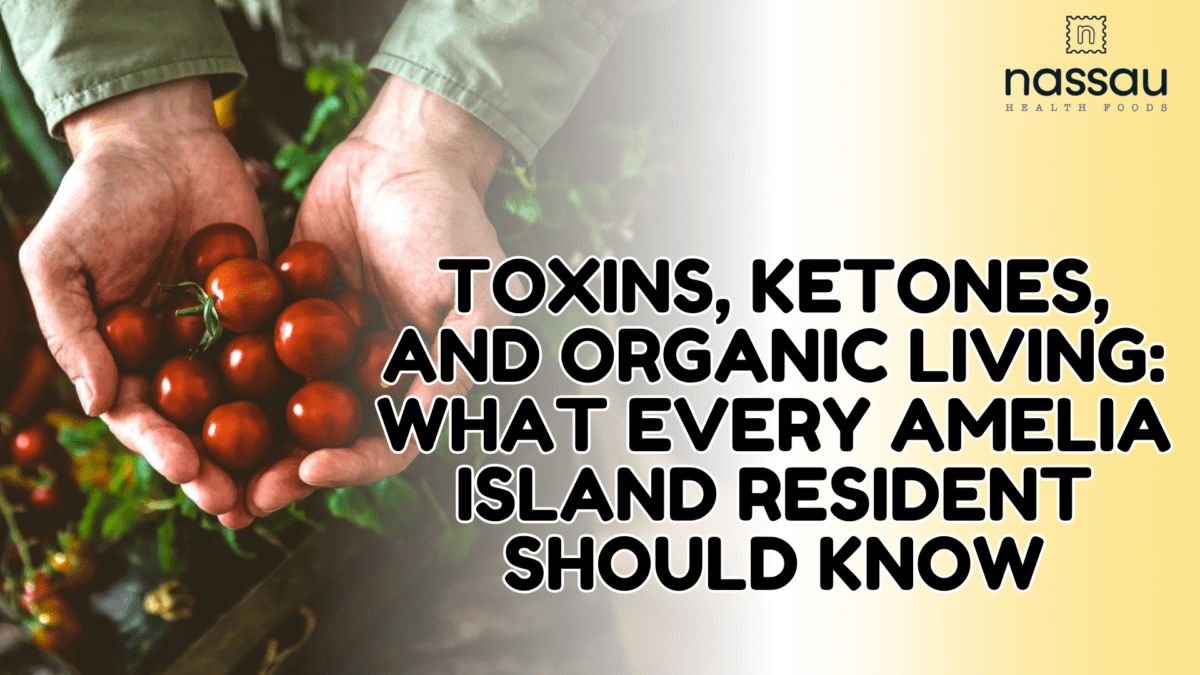
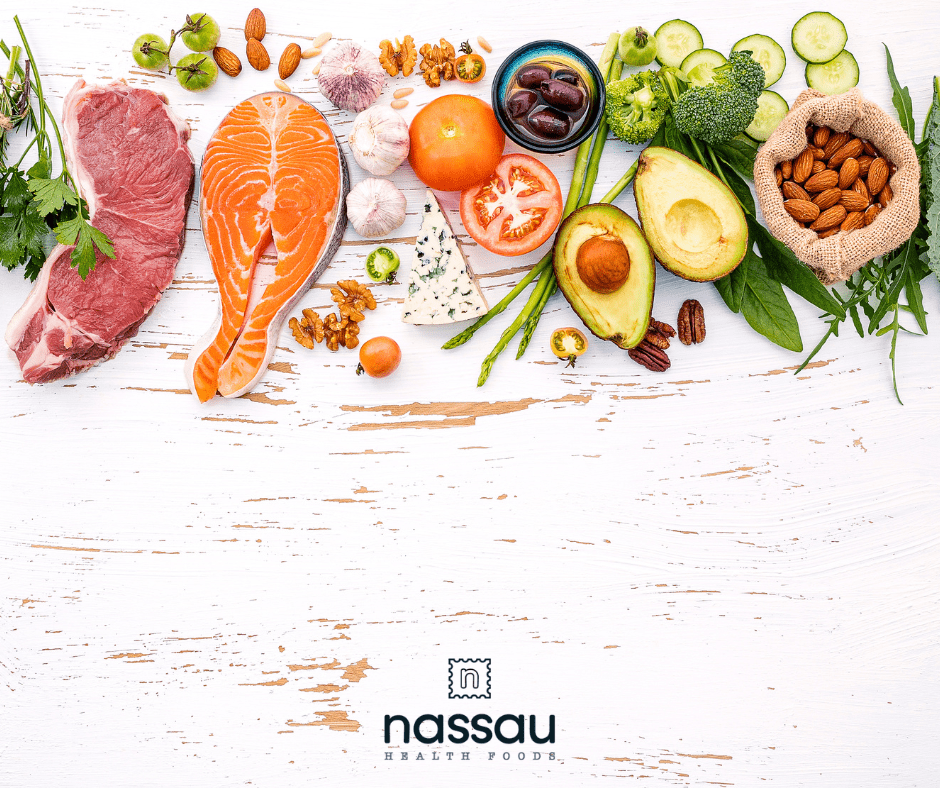
EP 23: Toxins, Ketones & Organic Living: A Wellness Guide for Amelia Island Locals

“The food you eat can be either the safest and most powerful form of medicine or the slowest form of poison.”– Ann Wigmore

Meet Sarah. She’s a 45-year-old mother of two who moved to Amelia Island last year seeking a healthier lifestyle for her family. Like many of us, Sarah was overwhelmed by conflicting health information. Should she go keto? Is organic really worth the extra cost? What about all those chemicals in her cleaning products?

Sarah’s journey began when her friend invited her to a workshop at Nassau Health Foods. That day changed everything. She learned that small, consistent choices could make a big difference in her family’s health—especially when it came to toxins, nutrition, and organic living.

Today, we’re sharing what Sarah discovered, inspired by Dr. Natasha Winters’ groundbreaking book, “The Metabolic Approach to Cancer.” Don’t worry—this isn’t just for people dealing with serious health concerns. These principles can help everyone live healthier, more vibrant lives right here on Amelia Island.

What is the Metabolic Approach?

Think of your body as a garden. For plants to thrive, they need good soil, clean water, and protection from harmful chemicals. Your body works the same way!

Dr. Nasha Winters discovered through her own cancer journey that our metabolism—how our bodies turn food into energy—plays a huge role in our health. Her approach focuses on:

  • Eating foods that nourish us deeply
  • Reducing sugar and using ketones for energy
  • Avoiding toxins that harm our cells
  • Supporting our body’s natural cleaning systems

The best part? You don’t need a major health scare to benefit from these ideas. Every single person on Amelia Island can use these principles to feel better today and protect their health for tomorrow.

Toxins: The Hidden Troublemakers

Toxins are like uninvited guests that sneak into your home and cause trouble. They come from:

  • Pesticides on fruits and vegetables
  • Chemicals in cleaning products
  • Ingredients in personal care items like shampoo and lotion
  • Plastics in food packaging
  • Pollution in the air and water

These toxins don’t just sit on the surface—they get into our bodies and can disrupt our hormones, burden our liver, and create inflammation. Over time, this can lead to feeling tired, gaining weight, having skin problems, or even developing serious health conditions.

How to Reduce Your Toxic Load

Good news! You have more control than you might think. Here are simple ways to start:

  1. Choose organic produce when possible – Especially for the “Dirty Dozen” (strawberries, spinach, kale, apples, grapes, peaches, cherries, pears, tomatoes, celery, potatoes, and bell peppers), which have the most pesticide residue.
  2. Switch to natural cleaning products – Many conventional cleaners contain harsh chemicals that can irritate your lungs and skin. Natural alternatives clean just as well without the health risks.
  3. Read labels on personal care products – Look for items without parabens, phthalates, artificial fragrances, and other harmful ingredients.
  4. Drink filtered water – This helps remove chemicals that might be in your tap water.
  5. Use glass or stainless steel containers – These are better than plastic for storing food and drinks.

At Nassau Health Foods, we’ve carefully selected products that meet strict standards for safety and purity. Our team can help you find alternatives to any toxic products currently in your home.

Ketones: Your Body’s Clean-Burning Fuel

Imagine your body as a car that can run on two different fuels: sugar or ketones. Most Americans run mainly on sugar (from carbs), which is like using low-quality gas that makes your engine run rough and creates a lot of smoke.

Ketones, on the other hand, are like premium, clean-burning fuel. When your body makes ketones (which happens when you eat fewer carbs and more healthy fats), many people experience:

  • More stable energy throughout the day
  • Clearer thinking
  • Less hunger and fewer cravings
  • Reduced inflammation
  • Better mood

Dr. Winters explains that cancer cells prefer sugar as fuel, while healthy cells can thrive on either sugar or ketones. By shifting toward more healthy fats and fewer processed carbs, you give your healthy cells an advantage.

How to Introduce More Ketone-Friendly Eating

You don’t have to go fully “keto” to benefit from this concept. Start with these simple steps:

  1. Reduce processed carbs – Cut back on bread, pasta, cookies, and sugary drinks.
  2. Add healthy fats – Incorporate avocados, olive oil, nuts, seeds, and coconut oil into your meals.
  3. Focus on fiber-rich vegetables – Fill half your plate with non-starchy vegetables like leafy greens, broccoli, cauliflower, and zucchini.
  4. Choose quality protein – Opt for grass-fed meat, wild-caught fish, free-range eggs, or plant-based options like tempeh and lentils.

At our Amelia Fresh Café, we serve delicious meals that align with these principles—low in sugar, rich in nutrients, and made with clean ingredients. It’s an easy way to try this style of eating without having to cook!

Organic Living: A Whole-Life Approach

Organic living goes beyond just food. It’s a mindset of choosing what nourishes us and avoiding what depletes us.

Think of it like building a house. You wouldn’t use cheap, toxic materials that could make your family sick, right? The same principle applies to what you put in and on your body, and what you bring into your home.

The Benefits of Organic Living

  1. Fewer toxins enter your body – Organic foods have significantly lower pesticide residues than conventional options.
  2. Better nutrition – Studies show that organic produce often contains more beneficial nutrients and antioxidants.
  3. Protection for children – Kids are especially vulnerable to pesticides and chemicals because their bodies are still developing.
  4. Environmental health – Organic farming practices protect soil, water, birds, bees, and other wildlife.
  5. Support for local farms – When you buy organic, especially from local sources, you help sustain farms that care for the land.

Organic Living on Amelia Island

We’re lucky to live in a place where fresh, local options are available year-round. At Nassau Health Foods, we’ve been connecting island residents with clean, organic products since 1985.

When you walk into our store, you’ll find:

  • Certified organic produce
  • Clean, third-party tested supplements
  • Natural personal care products
  • Eco-friendly household items
  • Knowledgeable staff who can answer your questions

We believe that every small choice matters—and adds up to big results over time.

Start Your Journey Today: 3 Simple Steps

Taking care of your brain doesn’t have to be hard. Start with one small step today:

  • Add a handful of berries to your breakfast.
  • Take a 10-minute walk during your lunch break.
  • Try going to bed 30 minutes earlier tonight.

Over time, these little changes add up to big benefits for your brain.


Susan’s Story: A Happy Ending

Ready to begin? Here are three easy ways to take action:

1. Make One Food Swap

Choose one item from the Dirty Dozen list and buy the organic version instead. For example, if you eat apples regularly, switch to organic apples. This single change can significantly reduce your pesticide exposure.

2. Try a Clean, Low-Carb Meal

Visit Amelia Fresh Café for a nutrient-dense lunch that follows the principles we’ve discussed. Our seasonal specials incorporate local ingredients whenever possible, and our menu clearly marks items that are gluten-free, dairy-free, and low in sugar.

3. Replace One Household Product

When you run out of a cleaning product or personal care item, replace it with a natural alternative. Our staff can help you find options that work just as well without the harmful ingredients.


Going Deeper: Resources for Your Health Journey

If you’re ready to take your health to the next level, Nassau Health Foods offers:

  • Glycocheck Screenings – A powerful way to assess your cardiovascular and metabolic health
  • Thrive Membership Plans – Personalized guidance and support for your wellness goals
  • Educational Workshops – Free sessions on various health topics throughout the year

Sarah’s Success Story

Remember Sarah from the beginning of our story? Six months after making these changes, she noticed:

  • More energy throughout the day
  • Clearer skin
  • Fewer headaches
  • Better sleep
  • And her seasonal allergies improved significantly

These benefits didn’t happen overnight. They came from consistent, small changes—the kind anyone can make.

Your Health Matters

At Nassau Health Foods, we believe that health is your most valuable asset. We’re committed to providing the products, information, and support you need to make better choices for yourself and your family.

Whether you’re dealing with specific health concerns or simply want to feel your best, the principles of reducing toxins, incorporating healthy fats, and embracing organic living can transform your health from the inside out.

Visit our store, check out our café, or join us for an upcoming workshop. We’re here to support your journey to vibrant health—every step of the way.

Your health matters. And here on Amelia Island, you have a partner dedicated to helping you thrive.

Visit the Nassau Health Store at Amelia Island or order online at https://ameliaorganic.com
EP 22: The Brain-Body Connection: 3 Daily Habits to Protect Your Memory

“Take care of your body. It’s the only place you have to live.”– Jim Rohn

Let me tell you about Susan. She’s 45, works a busy job, and is a mom of two teenagers. Lately, she’s been feeling burned out. She’s not sleeping well, skips meals, and barely has time to exercise. Worst of all, she feels like she’s constantly forgetting things—where she left her car keys, the name of someone she just met, or even her grocery list.

At first, Susan brushed it off as stress. But when she learned about the connection between lifestyle and brain health, she realized she might be putting herself at risk for more than just a bad day—she could be increasing her chances of developing Alzheimer’s disease later in life.

Like Susan, many of us don’t realize how much our daily choices—our stress levels, sleep habits, and overall lifestyle—affect our brain health. In this blog, we’ll explore how these factors are connected and what you can do to protect your brain.


Why Your Brain and Body Are Connected

Think of your brain as the control center of your body. It’s like the captain of a ship, giving orders to keep everything running smoothly. But just like a ship can’t sail well with a broken engine, your brain can’t function its best if your body is struggling.

Stress, lack of sleep, and unhealthy habits don’t just affect how you feel today—they can impact your brain’s health for years to come. Over time, these factors can increase your risk of Alzheimer’s disease, a condition that causes memory loss and other serious problems.

The good news? You have the power to take care of your brain by taking care of your body. Let’s break it down.


1. Stress: The Silent Brain Killer

“Stress is like a storm in your brain—it can cause damage if it lasts too long.”

When you’re stressed, your body releases a hormone called cortisol. A little bit of cortisol is okay—it helps you deal with emergencies, like slamming on the brakes to avoid an accident. But when you’re stressed all the time, cortisol stays high, and this can hurt your brain.

How Stress Hurts Your Brain

  • Shrinking Your Memory Center: Chronic stress can shrink the hippocampus, the part of your brain responsible for memory.
  • Causing Inflammation: Stress triggers inflammation in your brain, which can lead to damage over time.
  • Increasing Alzheimer’s Risk: Studies show that people with chronic stress are more likely to develop Alzheimer’s disease.

How to Reduce Stress for a Healthier Brain

  • Practice Mindfulness or Meditation: Just 10 minutes a day can lower stress hormones.
  • Get Moving: Exercise helps burn off stress and boosts chemicals in your brain that improve mood.
  • Set Boundaries: Learn to say “no” to things that overwhelm you. Your brain will thank you.

2. Sleep: Your Brain’s Reset Button

“Think of sleep as your brain’s overnight cleaning crew—it clears out the clutter and makes room for new ideas.”

When you sleep, your brain goes to work. It clears out toxins, repairs cells, and stores memories from the day. But if you’re not getting enough quality sleep, this process doesn’t work as well—and your brain suffers.

How Poor Sleep Hurts Your Brain

  • Toxin Buildup: During deep sleep, your brain removes beta-amyloid, a protein that builds up in Alzheimer’s disease. Without enough sleep, these toxins stick around.
  • Memory Problems: Sleep helps your brain organize and store memories. Poor sleep can make you forgetful and unfocused.
  • Higher Risk of Alzheimer’s: Studies show that people who sleep less than 6 hours a night have a higher risk of Alzheimer’s.

How to Get Better Sleep

  • Stick to a Schedule: Go to bed and wake up at the same time every day.
  • Create a Relaxing Routine: Wind down with calming activities like reading or taking a bath.
  • Make Your Bedroom Sleep-Friendly: Keep it cool, dark, and quiet.

3. Lifestyle: Small Choices, Big Impact

“Your lifestyle is like the fuel for your brain—what you eat, how you move, and how you spend your time all matter.”

The way you live every day can either help or hurt your brain. The good news? Even small changes in your habits can make a big difference.

How Lifestyle Affects Your Brain

  • Unhealthy Eating: Junk food and sugary snacks can increase inflammation in your brain.
  • Lack of Exercise: Physical activity improves blood flow to your brain and helps grow new brain cells.
  • Mental Laziness: Your brain needs challenges to stay sharp. Without them, it can weaken over time.

Healthy Lifestyle Habits for Your Brain

  • Eat Brain-Boosting Foods: Foods like leafy greens, berries, nuts, and fatty fish are great for your brain.
  • Stay Active: Aim for at least 30 minutes of exercise a day, like walking, dancing, or yoga.

Challenge Your Mind: Try puzzles, learn a new skill, or read a book to keep your brain engaged.

What You Can Do Today

Taking care of your brain doesn’t have to be hard. Start with one small step today:

  • Add a handful of berries to your breakfast.
  • Take a 10-minute walk during your lunch break.
  • Try going to bed 30 minutes earlier tonight.

Over time, these little changes add up to big benefits for your brain.


Susan’s Story: A Happy Ending

Remember Susan? Once she learned how stress, sleep, and lifestyle were affecting her brain, she decided to make some changes. She started meditating for 5 minutes every morning, replaced her late-night TV binge with a book, and made Sunday her “meal prep” day to eat healthier during the week.

A few months later, Susan felt like a new person. Her energy improved, her memory got sharper, and she stopped misplacing her keys all the time. Best of all, she knew she was protecting her brain for the future.


Your Brain Deserves Care

Your brain and body are connected in ways you might not realize. Stress, sleep, and lifestyle choices don’t just affect how you feel today—they shape your brain’s future.

The good news? You have the power to protect your brain by making small, simple changes. Start today. Your future self will thank you.

Visit the Nassau Health Store at Amelia Island or order online at https://ameliaorganic.com
EP 21: Think It’s Just Forgetfulness? It Could Be One of These 7 Alzheimer’s Signs

“The beginning of wisdom is to call things by their right names.”– Confucius

Anna noticed something unusual about her dad. He kept asking the same questions—over and over—about things they had just talked about. He misplaced his wallet in the laundry basket and couldn’t remember how it got there. And he even stopped going to his weekly chess club, something he had loved for years.

At first, Anna thought these changes were just part of getting older. But as they became more frequent and more noticeable, she knew something wasn’t quite right. What Anna didn’t realize was that her dad was showing the early, silent signs of Alzheimer’s.

Alzheimer’s doesn’t announce itself with big, obvious symptoms. It creeps in quietly, showing small signs that are easy to dismiss or overlook. But recognizing these signs early can make all the difference for you or someone you love.

In this post, we’ll walk through what Alzheimer’s is, the silent symptoms to watch for, and what you can do if you notice these signs in yourself or a loved one.


What Is Alzheimer’s? Why Early Signs Matter

Think of your brain as a library, filled with books that hold your memories, skills, and knowledge. When Alzheimer’s begins, it’s like someone misplacing books or tearing out pages. At first, it might just be one or two books, but over time, entire shelves can be emptied.

Alzheimer’s is a progressive brain disease that affects memory, thinking, and behavior. It’s the most common cause of dementia and starts long before noticeable symptoms appear.

Why does catching it early matter? Because Alzheimer’s can’t be cured, but early detection allows for:

  • Starting treatments that may slow the disease’s progression.
  • Making lifestyle changes to support brain health.
  • Planning for the future with your family and loved ones.

It’s like noticing a small leak in your roof. If you catch it early, you can fix it before it causes major damage.


The 7 Silent Signs of Alzheimer’s

Here are seven subtle but important signs to watch for. These are changes that go beyond normal aging and could indicate the start of Alzheimer’s.

1. Forgetting Recently Learned Information

It’s normal to occasionally forget where you left your keys. But with Alzheimer’s, it’s more than that—it’s consistently forgetting conversations, names, or events that just happened.

Example: Anna’s dad kept asking her what time her birthday dinner was, even though they had just discussed it an hour earlier.


2. Trouble Finding the Right Words

We all occasionally struggle to find the right word. But someone with early Alzheimer’s may frequently pause during conversations or substitute vague descriptions for simple words.

Example: Instead of saying “car,” they might say, “the thing you drive.”

This can make communication frustrating for both the person and their loved ones.


3. Difficulty Completing Familiar Tasks

Tasks that used to be easy may suddenly feel overwhelming or confusing. This might include forgetting the steps to follow a recipe, getting lost while driving to a familiar location, or struggling to pay bills.

Example: Anna’s dad, who loved baking, forgot how to measure flour for his favorite cake recipe.


4. Poor Judgment or Decision-Making

Alzheimer’s can affect how the brain processes risks and evaluates situations. This might show up as wearing inappropriate clothing for the weather, giving away large sums of money to scams, or neglecting personal hygiene.

Example: Anna’s dad once went outside wearing a T-shirt and shorts in the middle of winter.


5. Misplacing Items in Unusual Places

We all misplace things sometimes. But someone with early Alzheimer’s may put everyday items in strange places—like leaving their wallet in the fridge or their glasses in the pantry—and then be unable to retrace their steps.

Example: Anna found her dad’s car keys in the laundry basket, and he had no memory of how they got there.


6. Withdrawal from Social or Work Activities

People with Alzheimer’s might start avoiding hobbies, work projects, or social gatherings. They may feel overwhelmed, embarrassed, or unable to keep up with conversations or tasks they once enjoyed.

Example: Anna’s dad stopped going to his weekly chess club because he couldn’t remember how to play.


7. Changes in Mood or Personality

Someone with Alzheimer’s may experience unexplained mood swings, anxiety, or even paranoia. They might become irritable or suspicious of loved ones.

Example: Anna’s dad accused her of stealing his car keys when he couldn’t find them. These personality changes can be one of the most distressing signs for family members.


Why Early Detection Is Critical

Catching Alzheimer’s early can make a significant difference. Here’s why:

  1. Treatment Options: While there’s no cure, certain medications and therapies can help slow the progression of symptoms.
  2. Lifestyle Changes: Improving diet, exercise, and mental stimulation can help protect brain health.
  3. Family Planning: Early detection gives families time to prepare for the future, make legal and financial arrangements, and explore care options.
  4. Quality of Life: Understanding what’s happening can reduce frustration for both the person and their loved ones.

Think of Alzheimer’s like a fire. The sooner you catch the spark, the easier it is to control.


What You Can Do if You Notice These Signs

If you or a loved one is showing these signs, here are some steps you can take:

1. Talk to a Doctor

Schedule an appointment for a full evaluation. A doctor can rule out other conditions and provide a diagnosis if necessary.

2. Track Symptoms

Keep a journal of memory lapses, mood changes, or unusual behaviors. This will help the doctor understand what’s happening.

3. Eat for Brain Health

Focus on a brain-healthy diet, like the Mediterranean diet, which includes leafy greens, fatty fish, berries, nuts, and olive oil.

4. Stay Active

Exercise increases blood flow to the brain and can promote the growth of new brain cells. Aim for at least 30 minutes a day.

5. Challenge Your Brain

Engage in puzzles, reading, or learning new skills to keep your brain sharp.

How to Support a Loved One

If someone you care about is showing signs of Alzheimer’s:

  • Be Patient: Understand that their behavior is part of the disease, not who they are.
  • Communicate Clearly: Use simple language and repeat information if needed.
  • Encourage Healthy Habits: Help them stay active, eat well, and engage in social activities.
  • Seek Support: Join caregiver support groups or talk to professionals who can provide guidance.

Conclusion

Alzheimer’s starts with silent signs that are easy to miss but important to recognize. By catching these symptoms early, you can take steps to slow the disease’s progression and improve quality of life for you or your loved one.

If you’ve noticed these signs in yourself or someone close to you, don’t wait—talk to a doctor and take action today. Share this post with someone who might need it. Awareness is the first step to fighting Alzheimer’s. Together, we can make a difference.


EP 20: Top 5 Foods for Brain Power and 5 That Could Harm Your Mind

“Let food be thy medicine and medicine be thy food.”– Hippocrates

Sarah noticed her mom was forgetting things—little things at first, like phone numbers or where she’d left her keys. But it got worse. Sarah worried: could this be the start of Alzheimer’s? She started researching, and what she found shocked her—the food we eat can have a huge impact on our brain health.

What if the key to protecting your brain and memory was already in your kitchen?

Your brain is like a car—it needs the right fuel to run smoothly. If you give it junk, it’ll break down over time. But with the right foods, you can protect your brain, improve your focus, and keep your memory sharp as you age.

Today, we’re sharing 5 foods to eat and 5 foods to avoid to help protect your brain and reduce your risk of Alzheimer’s.


Why Food Matters for Brain Health

Your brain is your body’s control center, using about 20% of the calories you eat every day. That means what you eat directly affects how you think, feel, and remember.

But here’s the problem: some foods—like sugar and processed snacks—cause inflammation and insulin resistance, which can damage brain cells. Over time, this increases your risk of Alzheimer’s and other cognitive problems.

The good news? Eating the right foods gives your brain what it needs to stay healthy and strong.


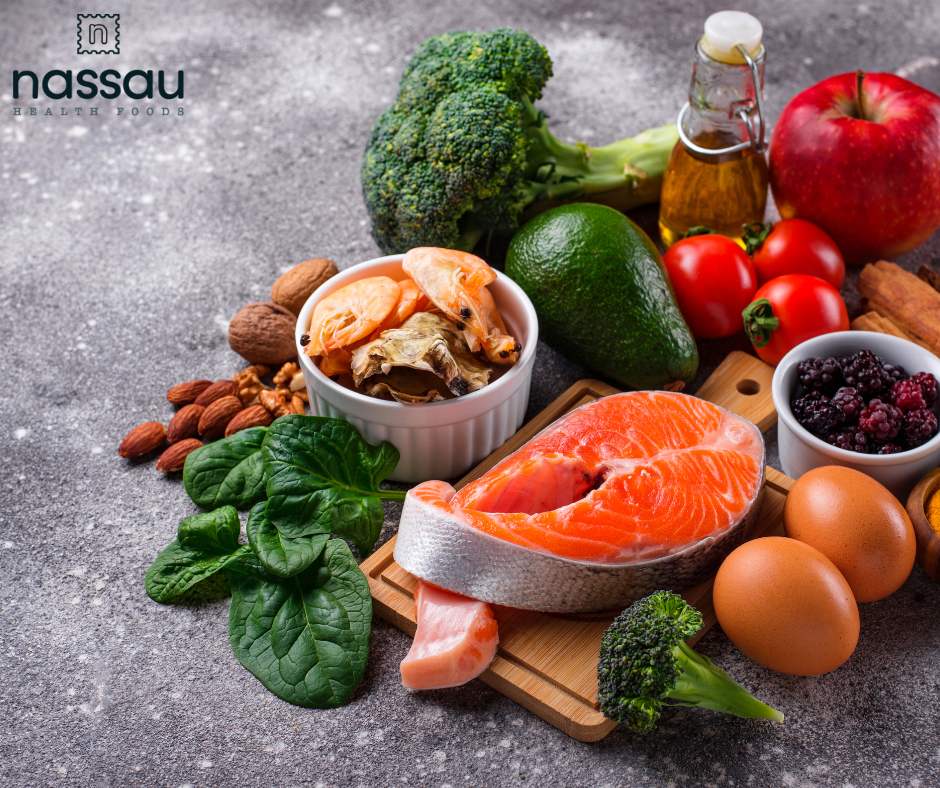
5 Foods to Eat for a Healthier Brain

Here are 5 foods that boost brain health and protect your memory:

  1. Leafy Greens
    Spinach, kale, and arugula are full of antioxidants that protect brain cells. Studies show that eating just one serving of leafy greens a day can slow brain aging.

    Tip: Add a handful of spinach to your morning smoothie or toss kale into your salad.
  2. Fatty Fish
    Salmon, sardines, and mackerel are rich in omega-3 fatty acids, which help build brain cell membranes. They’re like building blocks for your brain!

    Tip: Try grilled salmon with a side of veggies for a brain-boosting dinner.
  3. Berries
    Blueberries, strawberries, and blackberries are packed with antioxidants that fight brain aging. They’ve even been shown to improve memory.

    Tip: Add a handful of blueberries to yogurt or oatmeal.
  4. Nuts and Seeds
    Walnuts, almonds, and chia seeds are full of healthy fats and vitamin E, which protect brain cells. And fun fact: walnuts look like tiny brains!

    Tip: Snack on a handful of nuts or sprinkle chia seeds over your meals.
  5. Extra Virgin Olive Oil
    A staple in the Mediterranean diet, olive oil reduces inflammation and supports brain health.

    Tip: Drizzle olive oil over roasted veggies or use it as a salad dressing.

5 Foods to Avoid for Brain Health

Some foods are harmful to your brain. Here’s what to avoid:

  1. Sugary Drinks
    Sodas and energy drinks spike your blood sugar, harming brain cells.

    Swap: Drink water with lemon or herbal tea instead.
  2. Processed Foods
    Chips and frozen meals are full of unhealthy fats and preservatives that fuel inflammation.

    Swap: Prepare simple, fresh meals at home.
  3. Refined Carbs
    White bread and pastries cause blood sugar crashes, leading to brain fog.

    Swap: Choose whole grains like quinoa or oats.
  4. Trans Fats
    Found in packaged baked goods and fried snacks, trans fats are linked to cognitive decline.

    Swap: Check labels and avoid “partially hydrogenated oils.”

Excessive Alcohol
Too much alcohol shrinks brain volume and hurts memory.

Swap: Enjoy alcohol in moderation or try non-alcoholic drinks.

Conclusion

Your brain is one of your most important organs, and the food you eat plays a huge role in keeping it healthy. By adding brain-boosting foods like leafy greens, fatty fish, and berries to your diet—and avoiding sugary drinks, processed foods, and trans fats—you’re giving your brain the best chance to stay sharp and strong.


Start small! Add one brain-boosting food to your meals this week and notice the difference. And don’t forget to share this post with someone who wants to take care of their brain, too!

EP 19: The 6 Pillars of Brain Health That Are Helping People Reverse Alzheimer’s

“The brain is more resilient than you think. When given the right tools, it can heal.”– Dr. Dale Bredesen

Imagine watching a loved one slowly lose themselves—forgetting names, places, and eventually the people they love most. For years, Alzheimer’s has been seen as an unstoppable disease, a thief of memories and independence. But what if it didn’t have to be? What if there was a way to reverse cognitive decline?

Groundbreaking research by Dr. Dale Bredesen is changing how we think about brain health. His revolutionary ReCODE protocol has helped hundreds of people not just stop Alzheimer’s in its tracks but actually reverse its symptoms. Today, we’re diving into the science no one is talking about and how you can protect your brain and the people you love.


What Is Alzheimer’s? (And Why Is It So Scary?)

Alzheimer’s is often called “the silent thief of memories.” It’s the most common form of dementia, affecting over 6 million people in the U.S. It often begins with small signs—forgetting names or losing track of conversations—but it doesn’t stop there. Over time, it can take away a person’s ability to think, speak, and even perform basic tasks like eating or getting dressed.

Doctors have spent decades focusing on one cause of Alzheimer’s: sticky plaques in the brain called amyloid. These plaques build up between brain cells, damaging the connections that allow us to think and remember. But here’s the problem: treatments targeting amyloid have failed 99.6% of the time.

So, what’s the real cause of Alzheimer’s? Dr. Bredesen believes it’s not just one thing but a combination of factors—36, to be exact.


Why Does Alzheimer’s Happen?

Think of your brain like a roof with 36 holes. If you only patch one hole, the roof will still leak. Alzheimer’s works the same way. It’s not caused by one single problem—it’s caused by a combination of issues that damage the brain over time.

The 3 Big Categories That Damage Your Brain:

  1. Inflammation
    • Inflammation is like a fire in your brain, often triggered by poor diet, chronic stress, or infections. This “fire” damages brain cells and makes it hard for your brain to heal.
  2. Nutrient Deficiencies
    • Your brain needs nutrients to function properly. Without enough vitamin D, B12, omega-3s, or zinc, your brain can’t stay healthy.
  3. Toxins
    • Exposure to heavy metals, mold, or harmful chemicals can poison your brain over time, causing memory problems and cognitive decline.

Here’s something surprising: Alzheimer’s is sometimes called “Type 3 Diabetes” because high blood sugar and insulin resistance—common in diabetes—can starve your brain of energy.


Can Alzheimer’s Be Reversed?

Yes, it can. And the science is giving families hope.

Take Kristin’s story. Kristin was in her 60s when she started forgetting phone numbers and getting lost while driving. She had watched her mother suffer from Alzheimer’s and thought she was doomed to the same fate. But after starting Dr. Bredesen’s ReCODE protocol, Kristin’s memory began to improve. Within a year, she was back at work and feeling like herself again.

Kristin isn’t alone. Dr. Bredesen’s ReCODE protocol has helped hundreds of people reverse cognitive decline by addressing the 36 factors that contribute to Alzheimer’s. It’s not a one-size-fits-all solution—it’s a personalized plan that gives your brain the tools it needs to heal.


The 6 Pillars of Reversing Alzheimer’s

Dr. Bredesen’s ReCODE protocol focuses on six key areas to protect and heal your brain.

1. Brain-Healthy Diet (Ketoflex 12/3)

  • Eat plenty of healthy fats like avocados, nuts, and olive oil.
  • Avoid sugar, processed foods, and refined carbs. These can increase inflammation and damage your brain.
  • Try fasting for 12 to 16 hours overnight. This gives your brain time to detox and repair.

2. Exercise

  • Move your body for at least 30 minutes a day. Walking, yoga, or even dancing can improve blood flow to your brain.
  • Exercise also releases a molecule called BDNF, which helps protect and grow brain cells.

3. Sleep

  • Aim for 7 to 8 hours of quality sleep each night.
  • During deep sleep, your brain clears out toxins that build up during the day.

4. Stress Management

  • Chronic stress releases cortisol, a hormone that can damage your brain over time.
  • Practice meditation, deep breathing, or yoga to lower stress. Even laughing can help!

5. Toxin Removal

  • Get rid of mold and avoid heavy metals like mercury.
  • Use air filters and eat organic foods to reduce exposure to harmful chemicals.

6. Key Nutrients

  • Make sure your diet includes essential nutrients like vitamin D, B12, omega-3s, and zinc. These are the “fuel” your brain needs to stay sharp.

Early Warning Signs of Alzheimer’s

Alzheimer’s often starts with small changes. Here are 5 early warning signs to watch for:

  1. Forgetting names, dates, or recent events.
  2. Struggling to find the right words.
  3. Getting lost in familiar places.
  4. Feeling mentally foggy or fatigued.
  5. Trouble focusing, planning, or solving problems.

These aren’t just “senior moments.” Catching these signs early can make a huge difference.


How to Get Started

If you’re worried about memory loss—whether it’s for yourself or someone you love—here’s what you can do:

  1. Schedule a “Cognoscopy”
    • This is a full evaluation of your brain health, including blood tests to check for inflammation, toxins, and nutrient levels.
  2. Start the Ketoflex 12/3 Diet
    • Begin with small changes, like replacing sugary snacks with nuts or adding more leafy greens to your meals.
  3. Move More
    • Even a 20-minute walk can make a difference.
  4. Optimize Sleep
    • Set a regular bedtime and avoid screens 1 to 2 hours before bed.
  5. Manage Stress
    • Try 5 minutes of guided meditation or deep breathing each day.
  6. Consult a Specialist
    • Work with a functional medicine doctor to create a personalized plan.

Real Stories of Hope

Kristin isn’t the only success story. Here are two more:

  • Dr. Laura’s Journey: A doctor in her 50s began forgetting patient names and losing focus at work. After following the ReCODE protocol, her memory and energy returned, and she’s now using the same approach to help her patients.
  • Eleanor’s Triumph: Eleanor, in her 40s, struggled with memory lapses and word-finding issues. Within months of starting the protocol, she felt sharp again and even regained her ability to speak multiple languages.

These stories prove that Alzheimer’s doesn’t have to be the end of the road.

Your Brain Can Heal—But You Need to Take Action

Alzheimer’s is no longer a hopeless diagnosis. The science is clear: with the right tools, your brain can heal. By addressing the root causes of cognitive decline, you can protect your memories and even reverse early symptoms.

Don’t wait. Start your journey to better brain health today. Share this post with someone you love, and let’s spread the hope that Alzheimer’s can be reversed.

Want to learn more? Follow us for tips on reversing cognitive decline.

Listen to the podcast on Spotify here: https://podcasters.spotify.com/pod/show/nassau-health-foods—ste

Visit us today and let’s take this journey together.

EP 18: 5 Heart Disease Symptoms Women Should Never Ignore (And What to Do About Them)

“Take care of your heart. It’s the only one you have.”– Steve Adams

Your heart is like the engine of a car—powerful, reliable, and essential. It works tirelessly every day to keep your body running, but just like any engine, it needs proper care and maintenance. For women, heart health is especially important because heart disease is the number one cause of death worldwide.

The good news? Heart disease is preventable in most cases, and even if you’re already at risk, small changes can help you reverse the damage. At Nassau Health Foods, we believe in empowering women with the knowledge, tools, and support they need to live healthier, longer lives.

In this blog, we’ll explain why heart health matters for women, uncover the early warning signs, and share simple steps to prevent and even reverse heart disease.


Why Heart Disease Is a Women’s Issue

Imagine this: Jessica, a 45-year-old mom of two, feels tired all the time. She chalks it up to her busy schedule—work, kids, and everything in between. Then one day, she feels short of breath walking up the stairs. She ignores it, thinking, “I just need more rest.” Months later, Jessica experiences chest discomfort and learns she’s had a minor heart attack.

Jessica’s story is common. Many women don’t know the symptoms of heart disease, and they’re often very different from men’s. While men might feel sharp chest pain during a heart attack, women may experience more subtle signs like:

  • Extreme fatigue
  • Shortness of breath
  • Nausea or lightheadedness
  • Pain in the back, neck, or jaw
  • Mild chest discomfort

These symptoms can be easy to overlook, which is why heart disease is sometimes called “the silent killer” for women.

But it doesn’t have to be that way. With the right knowledge and proactive steps, you can take control of your heart health.


What Causes Heart Disease?

Heart disease doesn’t happen overnight—it’s like rust forming on a pipe. Over time, things like high cholesterol, high blood pressure, poor diet, and stress can damage your blood vessels. This damage causes inflammation, which leads to plaque buildup in the arteries, restricting blood flow to your heart.

For women, there’s an added challenge: microvascular disease. This is when the tiniest blood vessels—the ones that deliver oxygen and nutrients to your body—become inflamed or damaged. Microvascular disease often doesn’t show up on traditional heart tests, which is why early detection is so important.


The Power of Early Detection

At Nassau Health Foods, we offer Glycocheck Screening, a cutting-edge test that checks the health of your microvascular system.

Here’s why this matters:

  • It’s painless and non-invasive. No needles or discomfort—just a quick test.
  • It catches hidden risks. Glycocheck looks at the tiny blood vessels traditional tests miss.
  • It gives you a plan. With your results, we can create a personalized heart health plan to address any risks.

Think of Glycocheck Screening as your heart’s early warning system. It’s the best way to catch problems before they turn into something serious.


5 Steps to Prevent and Reverse Heart Disease

Taking care of your heart doesn’t have to be overwhelming. Small, consistent changes can make a big difference. Let’s dive into five simple steps you can take today.

1. Eat a Heart-Healthy Diet

Your diet is like fuel for your heart. Fill your plate with foods that nourish and protect it, such as:

  • Fruits and vegetables: Think of bright, colorful foods like berries, leafy greens, and carrots.
  • Healthy fats: Avocados, olive oil, and nuts are great options.
  • Whole grains: Brown rice, quinoa, and oats are full of fiber, which helps lower cholesterol.
  • Lean proteins: Choose fish like salmon or plant-based options like beans and lentils.

Avoid foods high in trans fats, sugar, and salt. Processed foods are like junk fuel—they clog up your heart’s “engine” and slow it down.


2. Stay Active

Exercise is like a tune-up for your heart. You don’t need to spend hours at the gym—even 30 minutes of movement a day can make a big difference.

Here are some easy ways to stay active:

  • Take a walk after dinner.
  • Try yoga or stretching to relax and strengthen your body.
  • Dance in your living room—yes, it counts!

Regular exercise helps improve blood flow, lower blood pressure, and keep your heart strong.


3. Manage Stress

Stress is like a storm that puts extra pressure on your heart. When you’re stressed, your body releases hormones that can raise your blood pressure and cause inflammation.

Here’s how to calm the storm:

  • Practice mindfulness or meditation for 5 minutes a day.
  • Write in a journal to release your thoughts.
  • Take deep breaths when you feel overwhelmed.

Managing stress isn’t just good for your heart—it’s good for your mind and overall well-being.


4. Get Enough Sleep

Think of sleep as your body’s repair shop. During deep sleep, your body heals and recharges, which is essential for heart health.

Tips for better sleep:

  • Stick to a consistent bedtime.
  • Avoid screens before bed—they can disrupt your sleep cycle.
  • Create a calming bedtime routine, like reading or drinking herbal tea.

Aim for 7-8 hours of quality sleep each night. Your heart will thank you.


5. Take Revasca Heart Supplements

Supplements can give your heart an extra boost, and that’s where Revasca Heart Supplements shine. Think of Revasca as a daily dose of love for your heart.

Revasca benefits:

  • Improves circulation: Keeps blood flowing smoothly.
  • Reduces inflammation: Protects your blood vessels from damage.
  • Strengthens your heart: Provides key nutrients for long-term health.

Adding Revasca to your routine is an easy way to support your heart every day. Stop by Nassau Health Foods to pick up your bottle!

Take Charge of Your Heart Health Today

Your heart works hard for you every day. Now it’s your turn to care for it.

Here’s how Nassau Health Foods can help:

  1. Schedule a Glycocheck Screening: Call us at (904) 277-3158 or visit our store.
  2. Try Revasca Heart Supplements: Pick up your bottle today.
  3. Join the Thrive Membership: Get personalized health plans and exclusive discounts.

Don’t wait for symptoms to appear. Prevention starts now. Your heart—and your future—are worth it.


Final Thoughts

Heart health is a journey, but it doesn’t have to be complicated. With small, consistent changes and the right tools, you can protect and even reverse heart disease. At Nassau Health Foods, we’re here to support you every step of the way.

Visit us today and let’s take this journey together.

EP 17: How to Build a Life That Loves Your Heart Back

“Your heart is the engine of your body. Don’t wait for warning signs.” – Steve Adams

Your heart is like the engine of your body—working tirelessly to keep you going. But just like a car, it needs regular care and maintenance to run smoothly. Without it, small problems can turn into big breakdowns.
The truth is, heart disease is the number one cause of death worldwide. But here’s the good news: most heart attacks are preventable. With the right tools, knowledge, and lifestyle changes, you can take control of your heart health and live a longer, healthier life.


In this blog, we’ll explore simple lifestyle changes, cutting-edge tools like Glycocheck Screening, and powerful supplements like Revasca to help you protect your heart. Let’s dive in.

What Causes Heart Disease?

Heart disease doesn’t happen overnight—it builds up over time. Think of it like weeds growing in a garden. Once they take root, they can spread and choke the life out of the plants (your heart and blood vessels).

Here’s how it happens:

  • Damage to blood vessels: High cholesterol, high blood pressure, or inflammation can damage the walls of your blood vessels.
  • Plaque buildup: Over time, fatty deposits (plaque) can build up in these damaged areas, narrowing your blood vessels and reducing blood flow.
  • Heart attack or stroke: If a plaque ruptures or a blood clot forms, it can block blood flow to your heart or brain, leading to a heart attack or stroke.

But it’s not just about what you eat or how active you are—your genetics also play a role. Some people inherit genes that make them more likely to develop heart disease. The good news? Your lifestyle choices can influence how those genes behave.


Why Early Detection Is Key

Let’s talk about Jessica, one of our customers at Nassau Health Foods. Jessica thought she was healthy—she ate organic, exercised, and cared for her family. But she often felt tired and didn’t know why.

When Jessica tried Glycocheck Screening, she discovered early warning signs of poor microvascular health. With this knowledge, she made small changes to her lifestyle and started taking Revasca supplements. Today, she feels more energetic and confident about her heart health.

Jessica’s story is a powerful reminder of the importance of early detection.

Most traditional tests, like cholesterol or blood pressure checks, don’t catch early signs of heart disease. That’s because they don’t look at your microvascular system—the tiny blood vessels that deliver oxygen and nutrients throughout your body. Damage to these vessels can happen long before symptoms appear.

That’s where Glycocheck Screening comes in:

  • Non-invasive and painless: No needles, just a quick and easy test.
  • Deep insights: Measures the health of your microvascular system, detecting early signs of damage.
  • Actionable results: Helps you create a personalized plan to improve your heart health.

The Role of Inflammation in Heart Disease

Inflammation plays a major role in heart disease. It’s your body’s way of protecting itself when it’s injured, but chronic inflammation can damage your blood vessels and lead to plaque buildup.

Think of your blood vessels like pipes. Inflammation acts like rust, slowly eating away at the inside of the pipes until they’re weak and clogged.

Here’s how you can reduce inflammation:

  • Eat anti-inflammatory foods: Fill your plate with leafy greens, berries, nuts, and fatty fish like salmon. Avoid processed foods and sugary snacks.
  • Manage stress: Try mindfulness, yoga, or deep breathing exercises to keep stress levels under control.
  • Take supplements like Revasca: Revasca is designed to reduce inflammation and support blood vessel health, giving your heart the care it needs.

5 Small Lifestyle Changes for a Healthier Heart

Taking care of your heart doesn’t have to be complicated. Small, consistent changes can make a big difference.

1. Eat a Heart-Healthy Diet

Focus on organic fruits, vegetables, whole grains, and healthy fats like avocado and olive oil. Avoid processed foods, trans fats, and excess sugar.

2. Stay Active

Aim for at least 30 minutes of exercise a day. Walking, swimming, or yoga are great options to keep your heart strong.

3. Manage Stress

Chronic stress can raise your blood pressure and increase inflammation. Practice mindfulness, journaling, or meditation to stay calm and centered.

4. Get Quality Sleep

Poor sleep can raise your risk of heart disease. Aim for 7-8 hours of quality sleep each night to give your body time to recover and repair.

5. Stay Proactive with Tests Like Glycocheck

Regular check-ups and advanced tests like Glycocheck Screening can help you catch early warning signs before they become serious.


Revasca: Your Heart’s Daily Boost

Supplements can play a big role in supporting your heart health. That’s why we recommend Revasca Heart Supplements.

Revasca offers powerful benefits for your heart:

  • Improves blood flow: Supports healthy circulation, like clearing traffic on a busy highway.
  • Reduces inflammation: Keeps blood vessels flexible and strong.
  • Strengthens your cardiovascular system: Provides key nutrients to support long-term heart health.

Think of Revasca as a daily tune-up for your heart. It’s an easy addition to your routine that can help you stay proactive about your health.

How Nassau Health Foods Can Help

At Nassau Health Foods, we’ve been helping the Amelia Island community live healthier lives since 1985. We’re here to guide you every step of the way.

Here’s how we can help:

  • Glycocheck Screening: Detect early signs of heart disease with this cutting-edge test.
  • Revasca Heart Supplements: A trusted way to support your heart health daily.
  • Thrive Membership: Get personalized health plans, discounts on supplements, and access to exclusive services.

We know health can feel overwhelming, but we’re here to make it simple and achievable.


Take Charge of Your Heart Health Today

Your heart works hard for you every day—now it’s your turn to care for it. Don’t wait for warning signs to appear. Start taking action today.

Here’s how:

  1. Book your Glycocheck Screening: Call us at (904) 277-3158 or visit our store.
  2. Add Revasca to your routine: Pick up your bottle at Nassau Health Foods.
  3. Join the Thrive Membership: Get the personalized support you need to thrive.

Your heart is the engine of your body. Let’s keep it running strong for years to come.


Heart health is a journey, but it’s one worth taking. With the right tools, knowledge, and support, you can prevent heart disease and enjoy a healthier, longer life. At Nassau Health Foods, we’re here to help you every step of the way.

Visit us today and take the first step toward a stronger, healthier heart.

EP 16: Why Revasca Heart Supplements and Glycocheck Are Game Changers

“An ounce of prevention is worth a pound of cure.” – Benjamin Franklin

Your heart is like the engine of your body—strong and reliable, but only if you take care of it. Imagine driving a car without ever checking the oil or listening to the warning lights. Sooner or later, it’s going to break down. The same goes for your heart. But here’s the good news: modern tools like Glycocheck Screening can help you spot the warning signs before a “breakdown” happens.

At Nassau Health Foods, we’re here to help you keep your heart running smoothly. In this blog, we’ll show you how cutting-edge testing, like Glycocheck Screening, can prevent heart attacks—and how supplements like Revasca Heart Supplements fit perfectly into your heart health plan.


Why Heart Health Matters

Heart disease is the #1 cause of death worldwide. Many people think heart attacks happen suddenly, but the truth is they often build up over time. Think of your heart like a garden. If the soil (your blood vessels) becomes dry or full of weeds, the plants (your organs) won’t thrive.

Your microvascular system—the tiny blood vessels that deliver oxygen and nutrients—is crucial to keeping your body healthy. But these tiny vessels can become damaged long before you notice any symptoms. That’s why early detection is so important.


The Hidden Danger: Microvascular Health

Most traditional heart tests, like cholesterol checks or blood pressure readings, only scratch the surface. They don’t always catch what’s happening deep in your microvascular system.

Your microvascular system is like a network of tiny roads that deliver supplies to every part of your body. When these roads are clear and healthy, everything runs smoothly. But when they become damaged or clogged, your body struggles. Over time, this can lead to heart disease, diabetes, or even a heart attack.

So how do you check the health of these tiny “roads”? That’s where Glycocheck Screening comes in.


What Is Glycocheck Screening?

Glycocheck is a non-invasive test that gives you a window into your cardiovascular health. It’s like a “check engine light” for your heart and blood vessels.

How It Works

  • Glycocheck measures the health of your capillaries. Capillaries are the tiniest blood vessels in your body, but they do some of the most important work, like delivering oxygen and nutrients to your tissues.
  • The test is quick, painless, and doesn’t require any needles.
  • You get a detailed report about your microvascular health, so you can take action before potential problems become serious.

Why It’s Important

Glycocheck can help detect early warning signs of:

  • Heart disease
  • Diabetes
  • Chronic inflammation
  • Poor circulation

At Nassau Health Foods, we offer Glycocheck Screening to help you stay ahead of these issues and take control of your heart health.


Meet Revasca: Your Heart’s Best Friend

Once you know your heart health status, the next step is taking action. That’s where Revasca Heart Supplements come in.

What Are Revasca Heart Supplements?

Revasca supplements are specially designed to support your microvascular health. Think of them as a daily boost for your heart and blood vessels.

Why You Need Them

Revasca works in three powerful ways:

  1. Improves Circulation: Helps your blood flow more smoothly, like clearing traffic jams on your body’s highways.
  2. Reduces Inflammation: Keeps your blood vessels flexible and healthy, like oiling the gears of a machine.
  3. Supports Heart Health: Provides essential nutrients that strengthen your cardiovascular system.

By adding Revasca to your daily routine, you can give your heart the care it deserves.


A Story of Prevention: Jessica’s Journey

Let’s talk about Jessica, a busy mom of two from Amelia Island. Jessica thought she was healthy—she exercised, ate organic, and took care of her family. But she often felt tired and noticed her energy wasn’t what it used to be.

When Jessica visited Nassau Health Foods, she learned about Glycocheck Screening. Curious, she decided to give it a try. The results showed that her microvascular health needed attention, even though her regular doctor’s tests were normal.

With the help of Nassau Health Foods, Jessica started taking Revasca Heart Supplements and made small changes to her diet. Over the next few months, her energy improved, and she felt more confident about her heart health.

Jessica’s story is a reminder that prevention is key. You don’t have to wait for symptoms to take action.


Why Early Detection Saves Lives

Imagine catching a small crack in a dam before it turns into a flood. That’s the power of early detection with Glycocheck Screening.

By identifying risks early, you can:

  • Avoid serious health problems down the road.
  • Make lifestyle changes to improve your health.
  • Feel empowered to take control of your wellness.

At Nassau Health Foods, we believe prevention is the best medicine. That’s why we offer tools and supplements to help you live a healthier, longer life.


Simple Steps to Protect Your Heart

Taking care of your heart doesn’t have to be complicated. Here are some simple steps to get started:

  1. Schedule a Glycocheck Screening
    • It’s quick, easy, and gives you valuable insights into your cardiovascular health.
  2. Add Revasca to Your Routine
    • These supplements are a simple way to support your heart and improve circulation.
  3. Eat a Heart-Healthy Diet
    • Focus on organic fruits, vegetables, whole grains, and healthy fats.
  4. Stay Active
    • Regular exercise, like walking or yoga, keeps your heart strong.
  5. Join the Thrive Membership
    • At Nassau Health Foods, our Thrive Membership gives you access to personalized health plans, discounts on supplements, and more.

Why Choose Nassau Health Foods?

We’re more than just a health food store. Since 1985, we’ve been serving the Amelia Island community with trusted products, expert advice, and a passion for wellness.

Here’s what sets us apart:

  • Trusted Expertise: Our team is here to guide you every step of the way.
  • High-Quality Products: From organic groceries to lab-tested supplements, we offer only the best.
  • Community Focus: We’re proud to be part of Amelia Island and support our neighbors in their wellness journeys.

Take Charge of Your Heart Health Today

Your heart is the engine that keeps you going. Don’t wait for warning signs—be proactive about your health.

Here’s How You Can Start:

  1. Schedule your Glycocheck Screening at Nassau Health Foods.
  2. Pick up Revasca Heart Supplements for daily support.
  3. Join our Thrive Membership for personalized health guidance and discounts.

Visit us today at Nassau Health Foods or call (904) 277-3158 to learn more. Your heart will thank you.

EP 15: Half of All Heart Attacks Happen Unexpectedly – Here’s How to Protect Yourself

“Your Heart’s Future is in Your Hands.” – Beat the Heart Attack Gene

Heart attacks don’t just happen to unhealthy people. They strike without warning—even in those who think they are doing everything right. Did you know that half of all heart attacks happen in people with normal cholesterol levels?

That’s right. Standard heart tests often miss the real danger.

So, if cholesterol isn’t the problem, what is? Inflammation. Insulin resistance. Genetics. Even your gums!

At Nassau Health Foods, we believe in preventing heart attacks before they happen. We offer Glycocheck Screenings to catch early warning signs and Revasca Heart Supplements to support a healthy heart naturally.

Today, we’re diving into the hidden triggers of heart disease and what you can do to protect yourself and your family.


1. The Real Cause of Heart Attacks (It’s Not Just Cholesterol!)

Imagine your arteries like a highway. Blood flows smoothly, delivering oxygen and nutrients. But what happens when potholes and cracks appear?

Your body tries to repair the damage, but if there’s too much inflammation, these “potholes” can burst, creating deadly clots that block blood flow.

This is what causes heart attacks—not just cholesterol buildup.

How Do You Know If You Have Inflammation?

✔️ Get a Glycocheck Screening – a powerful test available at Nassau Health Foods. It measures microvascular health and helps spot early damage.
✔️ Ask your doctor for a C-reactive protein (CRP) test – it measures inflammation in your blood.

What You Can Do Today:

Eat anti-inflammatory foods – wild-caught salmon, olive oil, turmeric, and leafy greens.
Try Revasca Heart Supplements – packed with natural ingredients that fight inflammation.
Manage stress – meditation, yoga, and good sleep keep inflammation low.


2. The “Heart Attack Gene” (9P21) – Does It Run in Your Family?

Some people are born with a higher risk of heart disease. If your parents had heart problems early in life, you could have the 9P21 gene—also called the “Heart Attack Gene.”

But here’s the good news: Your DNA is NOT your destiny!

How to Outsmart the Heart Attack Gene:

✔️ Get genetic testing to check for 9P21.
✔️ Focus on inflammation control (diet, lifestyle, and heart-supporting supplements).
✔️ Take Glycocheck Screening to see how your blood vessels are aging.

At Nassau Health Foods, we help people personalize their health plans based on their risks. We believe in prevention, not just treatment.


3. The Insulin Resistance Connection – Why Blood Sugar Matters

Most people think diabetes and heart disease are separate problems. But insulin resistance—the condition that leads to diabetes—is also the cause of 70% of heart attacks!

Think of insulin like a key. It helps sugar enter your cells for energy. But when you become insulin resistant, the “key” stops working. Sugar stays in your blood, causing inflammation, weight gain, and artery damage.

Signs You Might Have Insulin Resistance:

✔️ Belly fat
✔️ High blood sugar
✔️ High triglycerides
✔️ Low HDL (good cholesterol)

If you checked three or more, it’s time to take action!

How to Reverse Insulin Resistance:

Cut out processed carbs – Choose whole foods instead.
Exercise daily – Even a 30-minute walk can help balance blood sugar.
Try Revasca Heart Supplements – Formulated to support healthy blood sugar and heart function.


4. Inflammation: The Fire Inside Your Arteries

Imagine a tiny fire burning inside your arteries. The hotter it gets, the weaker your arteries become. Over time, this leads to heart disease, strokes, and even memory loss.

The worst part? You won’t feel it.

How to Check for Hidden Inflammation:

✔️ Ask your doctor for a CRP test (C-reactive protein).
✔️ Get a Glycocheck Screening to assess inflammation in your arteries.
✔️ Watch for signs like joint pain, gum disease, and chronic fatigue.

How to Put Out the Fire:

🔥 Eat anti-inflammatory foods – Avocados, berries, walnuts, and dark chocolate.
🔥 Stay active – Movement reduces inflammation naturally.
🔥 Support your heart with Revasca Supplements – packed with inflammation-fighting ingredients.


5. How Your Gums Affect Your Heart

Would you believe bleeding gums can increase your heart attack risk?

It’s true! Periodontal disease (gum disease) doubles your risk of heart attacks.

How Does This Happen?

🦠 Bacteria from your mouth travel into your bloodstream.
🔥 This causes inflammation and weakens arteries.
💔 Over time, this increases plaque buildup and the risk of blockages.

How to Protect Your Heart and Gums:

✔️ Floss daily – It removes bacteria before it enters your bloodstream.
✔️ Brush with a natural toothpaste – Avoid chemicals that harm your gums.
✔️ Eat probiotic-rich foods – Fermented foods like yogurt and kimchi support good bacteria.
✔️ Try Revasca Heart Supplements – They support both heart and gum health!


Take Action Today – Your Heart Deserves It!

Heart disease is not inevitable. By making small changes today, you can protect your heart and live a longer, healthier life.

Here’s How to Get Started:

Get a Glycocheck Screening at Nassau Health Foods.
Try Revasca Heart Supplements – Scientifically formulated for heart and vascular health.
Eat well, move daily, and manage stress.

Your heart’s future is in your hands. Let’s take action together. 💚👉 Visit Nassau Health Foods Today! Shop Online or Visit Us in Amelia Island!

Your map to healthy eating.

Conveniently located near the beach and downtown.

Mon-Fri: 8am – 7pm

Sat: 8am – 6pm

Sun: 10am – 4pm

Tel: (904) 277-3141

Tel: (904) 277-3141

Mon-Fri: 8am – 3pm

Closed on Saturday & Sunday

Order Online

Get Directions